For B2B buyers, the unit price of a product is often the most significant factor in a purchasing decision. However, in the world of custom bag manufacturing, "price" is a dynamic figure influenced by dozens of variables. Understanding how factories calculate costs can help you negotiate better, plan more effectively, and ultimately improve your brand's profit margins.
At Xinghe (XH), we believe in transparent pricing. In this article, we’ll pull back the curtain on how bulk order pricing is determined and share strategies to help you get the best value for your investment.
The Components of a Unit Price
When a factory gives you a quote, that number is typically composed of three main elements:
A. Material Costs (50-60%)
The fabric, lining, foam, zippers, and hardware make up the bulk of the cost.
● Pricing for materials like polyester and nylon fluctuates with global oil prices. Locking in a price during a "dip" can save significant money on large orders.
B. Labor and Assembly (25-35%)
This covers the time spent cutting, sewing, and assembling the bags. Complex designs with many pockets or intricate stitching require more "man-hours" and thus have a higher labor cost.
C. Overhead and Margin (10-15%)
This includes the factory's electricity, rent, machinery maintenance, and a small profit margin to keep the business running and growing.
The Power of MOQ (Minimum Order Quantity)
The most common question we receive is: "Why does the price drop so much when I order more?" The answer lies in Economies of Scale.
● Whether you order 500 bags or 5,000, the time it takes to set up the machines, create the cutting molds, and source the materials is roughly the same.
● Factories can negotiate much better rates from fabric mills when buying 10,000 yards versus 1,000 yards.
● Once workers get into the "flow" of a specific design, their speed increases, reducing the labor cost per unit.
Strategies to Lower Your Unit Cost
If your initial quote is higher than your target price, consider these strategies:
Standardize Your Materials:
● Using "stock" fabric colors and standard-sized zippers can drastically reduce costs compared to custom-dyed fabrics or specialized hardware.
● Does that backpack really need 15 internal pockets? Removing a few non-essential features can save on labor and material.
Consolidate Your Logistics:
● Shipping one full 40ft container is significantly cheaper per unit than shipping multiple LCL (Less than Container Load) shipments.
● If you know you will sell 2,000 bags over the next year, it is almost always cheaper to order them all at once rather than in four separate orders of 500.
Avoiding the "Low-Price Trap"
It is tempting to go with the lowest bidder, but in manufacturing, you often get what you pay for. A price that is significantly lower than other quotes usually indicates:
● Low-grade zippers that will break after three months.
● High-turnover factories with unskilled workers.
● Charges for packing, documentation, or "management" that weren't in the initial quote.
Why Choose Xinghe (XH)?
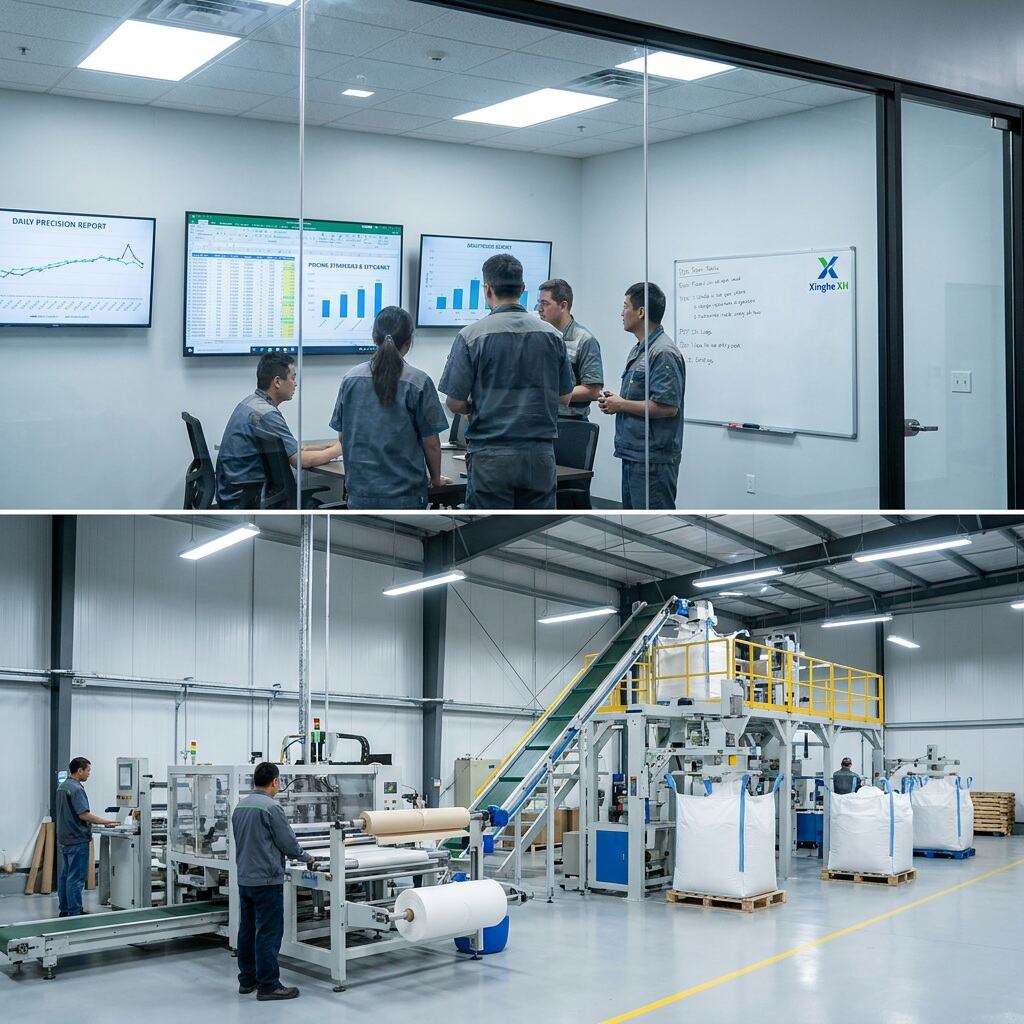
At Xinghe, we pride ourselves on offering competitive pricing rooted in efficiency and craftsmanship. Our clean and organized facility is equipped with modern machinery that reduces waste and increases production speed, allowing us to pass those savings on to our clients. We don't just give you a number; we provide a detailed breakdown of costs so you know exactly where your money is going.
Conclusion
Pricing in bag manufacturing is a science, not a mystery. By understanding the balance between materials, labor, and volume, you can make smarter sourcing decisions that benefit your brand’s bottom line. Whether you are a startup looking for your first 500 units or an established retailer ordering tens of thousands, the right strategy can make all the difference.
Ready to get a competitive quote for your next project? Contact Xinghe today and let's discuss how we can optimize your production costs.

 EN
EN