The global shift toward sustainability is no longer a trend—it’s a requirement. For B2B buyers and bag brands, the pressure to reduce environmental impact comes from both consumers and regulatory bodies. Fortunately, China, the world's leading hub for bag manufacturing, has made massive strides in "green" production. From recycled plastics to organic fibers, the options for sourcing sustainable materials are more accessible than ever.
At Xinghe (XH), we are committed to helping our clients transition to eco-friendly solutions without compromising on durability or style. Here is what you need to know about sourcing sustainable materials for your next bag collection.
Recycled Polyester (RPET): The Gold Standard
One of the most popular choices for eco-friendly backpacks and travel gear is Recycled Polyester, or RPET.
● It is produced by melting down post-consumer plastic (like water bottles) and spinning it into new fibers.
● It significantly reduces energy consumption and keeps plastic out of landfills and oceans. RPET can be made to look and feel exactly like virgin polyester, offering the same water resistance and strength.
Organic and Recycled Cotton
For tote bags and casual lifestyle bags, organic cotton is a staple.
● Grown without synthetic pesticides or fertilizers, which protects the soil and water systems.
● Made from pre-consumer textile waste (scraps from the cutting floor). This is an excellent way to close the loop in the manufacturing process.
Innovative Bio-Based Materials
The industry is seeing a rise in leather alternatives and "vegan" materials made from plants.
Pineapple Leather (Piñatex):
● Made from the fibers of pineapple leaves.
● A renewable, biodegradable, and naturally water-resistant material that offers a unique aesthetic.
● A durable, leather-like material made from natural wood pulp that is both biodegradable and recyclable.
Eco-Friendly Hardware and Linings
Sustainability doesn't stop at the shell fabric. Consider these "hidden" eco-friendly details:
● Just like RPET, nylon can be recycled from fishing nets and industrial plastic.
● Many factories now offer hardware that is easier to recycle or made from recycled metals.
PFC-Free Water Repellents:
● Traditional DWR (Durable Water Repellent) coatings often contain harmful chemicals. Opting for PFC-free coatings is a major win for the environment.
Verifying Sustainability: Certifications are Key
When sourcing in China, "greenwashing" is a risk. To ensure your materials are truly sustainable, always look for these international certifications:
Global Recycled Standard (GRS):
1. Verifies the recycled content of products and includes social and environmental requirements. 2. Ensures that the textiles are free from harmful substances.
Global Organic Textile Standard (GOTS):
3. The leading standard for organic fibers.
4. Indicates that the chemicals and processes used in production are safe for workers and the environment.
The Xinghe (XH) Commitment to Green Manufacturing
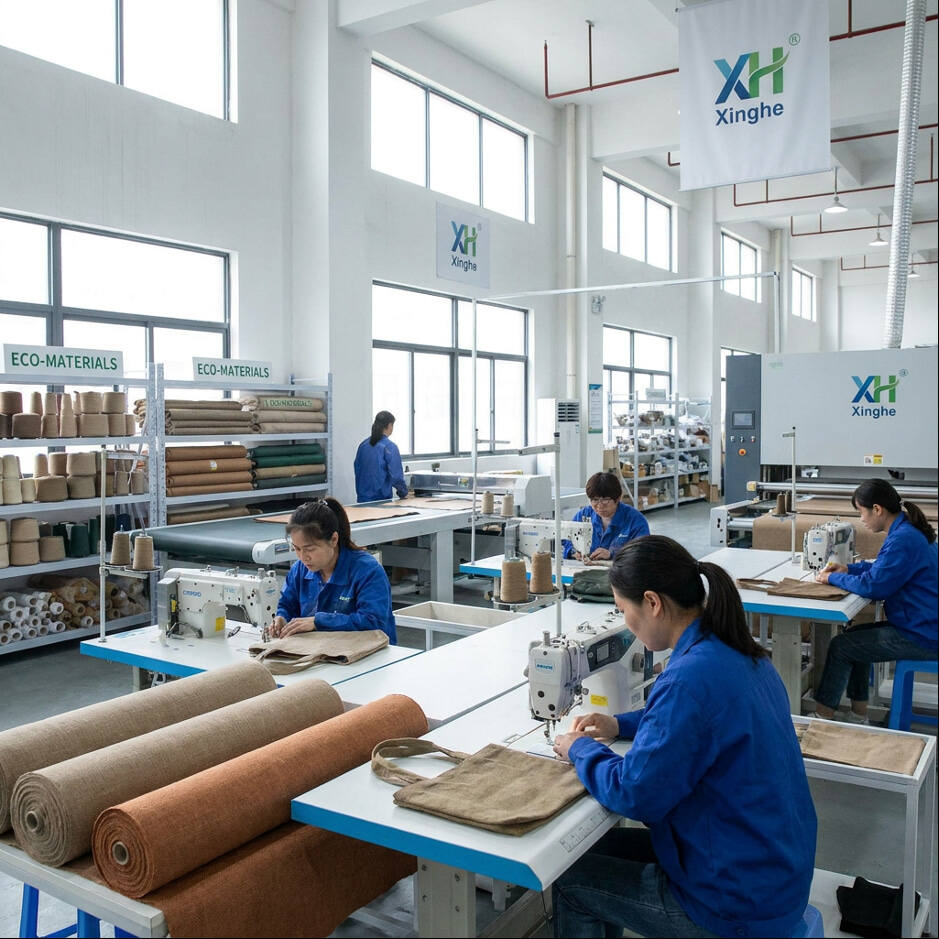
At Xinghe, our facility is designed for efficiency and waste reduction. We maintain a clean and organized production environment that prioritizes the health of our workers and the planet. We work closely with certified material suppliers across China to provide our clients with a curated selection of high-performance, sustainable fabrics.
Whether you are looking to create a 100% recycled backpack or simply want to integrate more sustainable components into your existing designs, our team is here to provide the expertise and sourcing power you need.
Conclusion
Sourcing sustainable materials in China is a journey toward a more responsible future. By choosing materials like RPET, organic cotton, and certified hardware, your brand can meet the growing demand for eco-friendly products while maintaining the high standards of craftsmanship that your customers expect.
Ready to build a sustainable bag brand? Contact Xinghe today to explore our eco-friendly material catalog and manufacturing capabilities.

 EN
EN