In the world of B2B sourcing, "time is money" is more than just a cliché—it’s a business reality. Whether you are preparing for a back-to-school season, a product launch, or a holiday sale, understanding factory lead times and logistics is essential for maintaining a healthy supply chain. For many companies sourcing bags from China, the process can seem complex.
At Xinghe (XH), we believe that transparency in the production timeline is the foundation of a successful partnership. In this article, we’ll break down the stages of bag manufacturing lead times and provide tips for optimizing your logistics strategy.
What Influences Bag Factory Lead Times?
The "lead time" is the total time from the moment an order is confirmed to when it is ready for shipment. For a typical bulk order of 1,000 to 5,000 bags, lead times usually range from 35 to 60 days. Here’s what happens during that window:
1. Material Sourcing (15-25 Days)
This is often the longest part of the process. While factories keep some basic fabrics in stock, custom colors (dyed-to-match), specific hardware, or specialized eco-friendly materials must be ordered from suppliers. If your bag requires unique zippers or custom-branded pulls, this phase can take longer.
2. Pre-Production Sampling (7-14 Days)
Before mass production begins, the factory creates a "Gold Sample." This is the final version that the buyer approves. Any changes made at this stage will reset the clock, so clear communication is vital.
3. Cutting and Preparation (5-10 Days)
Once materials arrive and the sample is approved, the fabric is cut using high-precision molds or automated cutting machines. This stage also includes preparing internal components like foam padding and linings.
4. Sewing and Assembly (15-30 Days)
This is where the craftsmanship happens. Bags are assembled on production lines. Depending on the complexity of the bag (e.g., a simple tote vs. a technical 30-pocket camera backpack), this stage varies in speed.
5. Quality Control and Packing (5-7 Days)
Every bag must be inspected for loose threads, zipper functionality, and logo alignment. After passing QC, bags are cleaned, tagged, and packed into export-grade cartons.
Understanding Logistics: Moving Your Goods
Once the bags leave the factory floor, the logistics phase begins. Choosing the right shipping method is a balance between cost and speed.
1. Sea Freight (LCL vs. FCL)
The most common method for bulk bag orders.
FCL (Full Container Load):
● Faster and safer as the container only holds your goods.
LCL (Less than Container Load):
● More economical for smaller bulk orders but takes longer due to consolidation at the port.
● 20-40 days depending on the destination (US vs. Europe vs. SE Asia).
2. Air Freight
Ideal for high-value items or urgent restocks.
● significantly higher than sea freight—often 5x to 10x more expensive.
3. Rail Freight (The Middle Ground)
For buyers in Europe and Central Asia, rail freight offers a great balance of speed and cost compared to sea and air.
Pro Tips for Optimizing Your Timeline
Account for Peak Seasons:
1. Chinese New Year (usually in February) can shut down factories for 3-4 weeks. Always plan your orders at least 3 months in advance of this period.
Consolidate Your Materials:
2. Using materials the factory already has "in-house" or from local suppliers can shave 10-15 days off your lead time.
3. Providing a detailed Tech Pack (design specifications) reduces the number of sampling rounds, getting you into production faster.
Work with an Experienced Partner:
4. Factories like Xinghe have established relationships with material suppliers and logistics providers, allowing us to navigate bottlenecks more effectively.
Why Logistics Matter at Xinghe (XH)
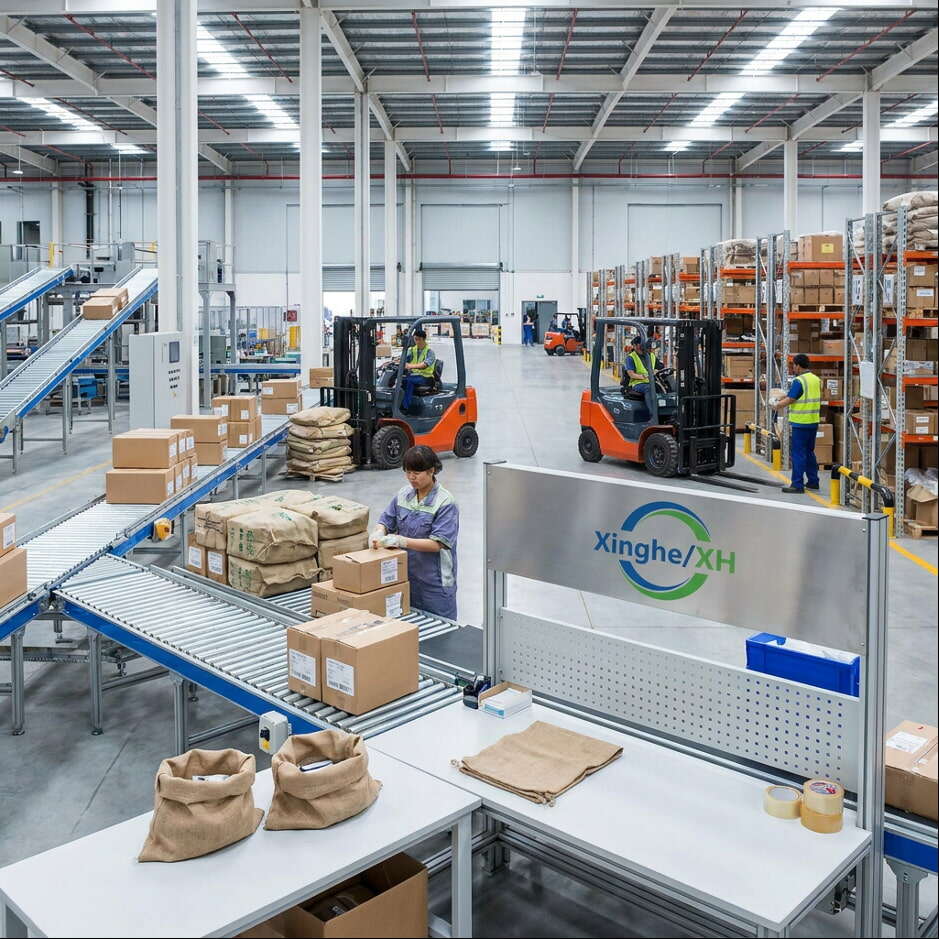
At our clean and organized facility, we don't just stop at manufacturing. We have a dedicated logistics team that coordinates with freight forwarders to ensure your goods are handled with care. From optimizing carton sizes to reduce "dead space" (saving you money on shipping) to providing real-time production updates, our goal is to make the process as seamless as possible.
Conclusion
Navigating factory lead times and logistics requires careful planning and a reliable partner. By understanding the stages of production—from material sourcing to final QC—and choosing the right shipping strategy, you can ensure your brand stays ahead of the competition and your customers stay happy.
Ready to start your production journey? Contact Xinghe today for a detailed quote and timeline for your custom bag project.

 EN
EN