
 EN
EN


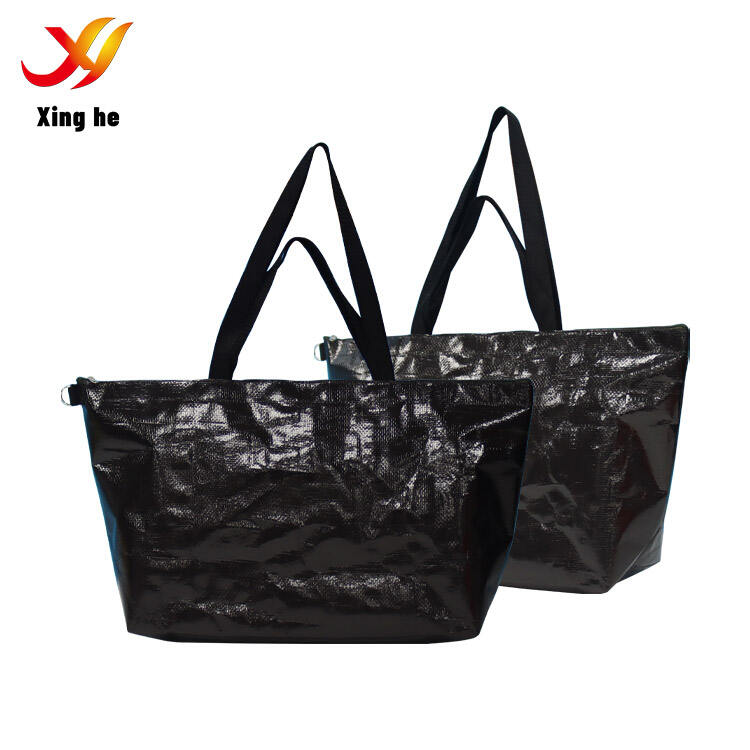
In today's environmentally conscious marketplace, consumers and businesses alike are seeking sustainable alternatives to traditional plastic bags. PP woven shopping bags have emerged as a popular choice, promising durability, reusability, and environmental benefits. These innovative bags, constructed from polypropylene fibers woven into a strong fabric, represent a significant advancement in sustainable packaging solutions. As retailers and consumers evaluate their environmental impact, understanding the true eco-friendliness and reusability of PP woven shopping bags becomes crucial for making informed decisions about sustainable shopping practices.
Understanding PP Woven Shopping Bag Construction and Materials
Polypropylene Material Properties and Manufacturing
Polypropylene, the primary material used in PP woven shopping bags, is a thermoplastic polymer known for its exceptional strength-to-weight ratio and chemical resistance. The manufacturing process involves extruding polypropylene into thin tapes or fibers, which are then woven together using specialized looms to create a durable fabric. This weaving technique produces a material that combines flexibility with remarkable tensile strength, making PP woven shopping bags capable of carrying substantial weight without tearing or stretching.
The molecular structure of polypropylene contributes significantly to the performance characteristics of these bags. Unlike traditional plastic bags made from polyethylene, PP woven shopping bags exhibit superior resistance to moisture, chemicals, and UV radiation. This enhanced durability translates into longer service life and reduced replacement frequency, which directly impacts the environmental equation. The weaving process also allows manufacturers to create bags with varying densities and strengths, customizing the product to meet specific application requirements.
Design Features and Structural Benefits
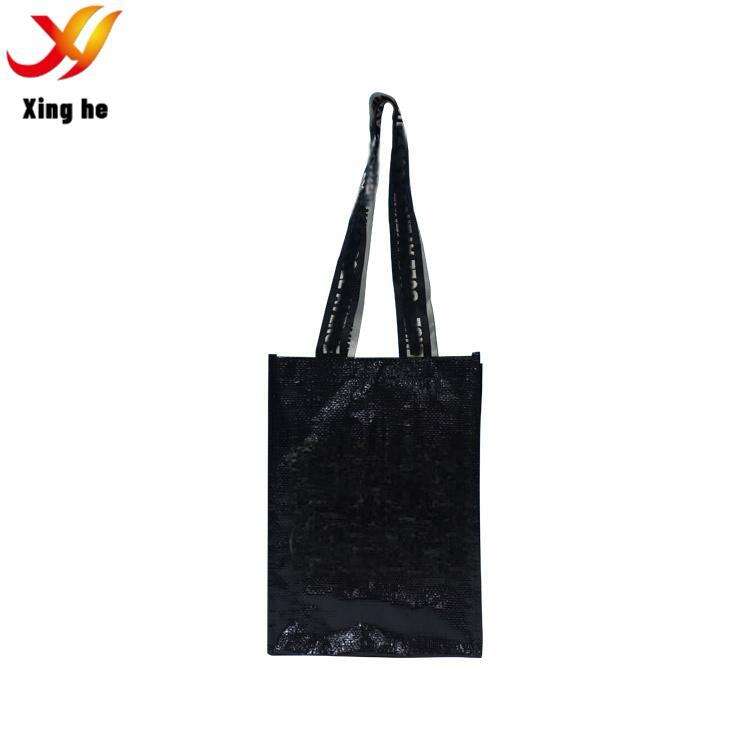
Modern PP woven shopping bags incorporate several design elements that enhance their functionality and durability. Reinforced handles, typically made from the same polypropylene material or complementary webbing, distribute weight evenly and prevent handle failure under load. The bag construction often includes reinforced stress points at handle attachment areas, bottom corners, and seams, ensuring structural integrity throughout the product lifecycle.
The woven structure itself provides inherent advantages over non-woven alternatives. The interlaced fibers create a mesh-like pattern that allows for better load distribution and prevents catastrophic failure modes common in traditional plastic bags. This structural design enables PP woven shopping bags to maintain their shape and functionality even after repeated use, washing, and exposure to various environmental conditions.
Environmental Impact Assessment of PP Woven Shopping Bags
Life Cycle Analysis and Carbon Footprint
Evaluating the environmental impact of PP woven shopping bags requires a comprehensive life cycle analysis that considers raw material extraction, manufacturing processes, transportation, use phase, and end-of-life disposal. The production of polypropylene involves petroleum-based feedstock, which initially presents environmental concerns similar to other plastic products. However, the extended lifespan and reusability of PP woven shopping bags significantly offset the initial environmental investment compared to single-use alternatives.
Studies conducted by environmental research organizations indicate that PP woven shopping bags achieve environmental break-even points after relatively few uses compared to paper or single-use plastic bags. The carbon footprint per use decreases dramatically as the bag is reused multiple times, with some estimates suggesting that PP woven shopping bags become environmentally favorable after just 10-15 uses. This break-even analysis considers the energy required for manufacturing, transportation emissions, and the avoided environmental impact of displaced single-use bags.
Waste Reduction and Resource Conservation
The reusable nature of PP woven shopping bags contributes significantly to waste reduction in retail environments and consumer applications. A single durable bag can replace hundreds of single-use plastic or paper bags throughout its service life, directly reducing the volume of waste entering landfills and recycling systems. This waste reduction extends beyond the immediate bag replacement to include reduced packaging materials, lower transportation requirements for bag restocking, and decreased storage space needs at retail locations.
Resource conservation benefits extend to water usage, energy consumption, and raw material requirements. The manufacturing process for PP woven shopping bags, while initially resource-intensive, distributes this environmental cost over many years of use. Compared to the cumulative resource requirements for producing equivalent quantities of single-use bags, the resource efficiency of reusable PP woven shopping bags becomes increasingly apparent over time.
Durability and Reusability Performance Characteristics
Load-Bearing Capacity and Structural Integrity
PP woven shopping bags demonstrate exceptional load-bearing capabilities, typically supporting weights ranging from 25 to 50 pounds depending on the specific construction and material thickness. The woven structure distributes loads across multiple fiber intersections, preventing single-point failures that commonly occur in non-woven or film-based bags. This load distribution mechanism enables the bags to handle irregularly shaped items, sharp objects, and varying weight distributions without compromising structural integrity.
Testing protocols for PP woven shopping bags include repetitive loading cycles, environmental stress testing, and long-term durability assessments. Independent testing laboratories have documented service lives exceeding 1,000 use cycles for quality PP woven shopping bags under normal retail conditions. This durability performance significantly exceeds the lifespan of alternative bag materials and justifies the initial investment in terms of both economic and environmental considerations.
Maintenance Requirements and Care Instructions
The maintenance requirements for PP woven shopping bags are minimal, contributing to their practical reusability in consumer applications. The material's resistance to moisture and staining allows for easy cleaning using standard household detergents and water. Most PP woven shopping bags can be machine washed on gentle cycles or hand washed as needed, restoring them to near-original condition and extending their usable life.
Proper storage and handling practices further enhance the longevity of PP woven shopping bags. Avoiding exposure to extreme temperatures, sharp objects, and excessive UV radiation helps maintain the material properties and structural integrity. The bags should be dried thoroughly after washing to prevent any potential degradation and stored in dry conditions to maximize their service life.
Comparative Analysis with Alternative Bag Materials
Performance Comparison with Paper and Cotton Alternatives
When comparing PP woven shopping bags to paper alternatives, several performance advantages become apparent. Paper bags, while recyclable and biodegradable, suffer from limited durability, moisture sensitivity, and restricted load capacity. PP woven shopping bags can carry significantly more weight, withstand moisture exposure, and maintain their structural integrity through hundreds of use cycles. The environmental impact comparison becomes favorable for PP woven shopping bags after a relatively small number of uses, typically between 10-20 reuse cycles.
Cotton bags, often promoted as natural alternatives, present interesting comparisons with PP woven shopping bags. While cotton is a renewable resource, the environmental impact of cotton cultivation, including water usage, pesticide application, and processing requirements, can be substantial. PP woven shopping bags require fewer resources per use cycle and demonstrate superior durability in wet conditions, making them more practical for certain retail applications.
Cost-Effectiveness and Economic Considerations
The economic analysis of PP woven shopping bags reveals favorable cost structures for both consumers and retailers implementing sustainable bag programs. While the initial purchase price exceeds that of single-use alternatives, the cost per use decreases significantly as the bags are reused multiple times. Retailers implementing PP woven shopping bags often see reduced ongoing bag costs, improved customer satisfaction, and enhanced brand image associated with environmental responsibility.
Consumer adoption rates for PP woven shopping bags tend to be high due to their practical benefits and perceived value. The durability and functionality of these bags encourage regular use, which is essential for achieving the environmental and economic benefits. Market research indicates that consumers value the combination of environmental benefits and practical performance offered by quality PP woven shopping bags.
Industrial Applications and Customization Options
Commercial and Retail Implementation Strategies
PP woven shopping bags offer extensive customization opportunities for businesses seeking to implement sustainable packaging solutions while maintaining brand visibility. Printing technologies compatible with polypropylene materials allow for high-quality graphics, logos, and messaging that remain vibrant throughout the bag's service life. This customization capability makes PP woven shopping bags effective marketing tools while supporting environmental initiatives.
Retail implementation strategies for PP woven shopping bags often include customer education components to maximize reuse rates and environmental benefits. Successful programs typically involve point-of-sale materials explaining the environmental advantages, care instructions for maintaining bag quality, and incentive programs encouraging consistent reuse. These comprehensive approaches help ensure that the environmental potential of PP woven shopping bags is fully realized through consumer behavior modification.
Specialized Applications and Industry-Specific Benefits
Beyond traditional retail applications, PP woven shopping bags find specialized uses in various industries due to their unique material properties. Agricultural applications leverage the bags' resistance to moisture and chemicals for storing and transporting produce. The food service industry benefits from the easy-cleaning properties and durability for delivery and takeout services. Industrial applications utilize the strength and chemical resistance for parts storage and material handling.
The versatility of PP woven shopping bags extends to promotional and event applications where durability and repeated use are important considerations. Trade shows, conferences, and marketing events often choose these bags for their combination of functionality and branding opportunities. The long service life ensures that promotional messages remain visible for extended periods, maximizing marketing investment returns while supporting environmental responsibility.
End-of-Life Considerations and Recycling Options
Recycling Infrastructure and Material Recovery
The end-of-life management of PP woven shopping bags involves several viable options that support circular economy principles. Polypropylene is widely recyclable through existing plastic recycling infrastructure, with the material code #5 designation facilitating proper sorting and processing. Recycled polypropylene maintains much of its original strength and chemical resistance, making it suitable for manufacturing new PP woven shopping bags or other durable plastic products.
Mechanical recycling processes for PP woven shopping bags involve shredding, washing, and remelting the material to create new polypropylene pellets. These recycled pellets can be used in various manufacturing applications, including new bags, automotive components, and construction materials. The recycling efficiency of polypropylene typically exceeds 80%, meaning that most of the original material can be recovered and reused in new products.
Disposal Alternatives and Environmental Impact
When recycling options are not available, PP woven shopping bags can be disposed of through energy recovery systems that capture the material's inherent energy value. Polypropylene burns cleanly with minimal toxic emissions when processed in modern waste-to-energy facilities equipped with appropriate emission controls. This energy recovery option provides environmental benefits compared to landfill disposal while generating renewable energy.
Landfill disposal represents the least favorable end-of-life option for PP woven shopping bags, though the material is inert and does not produce harmful leachates. The durability that makes these bags excellent for reuse also means they persist in landfill environments for extended periods. However, given the long service life of quality PP woven shopping bags, the environmental impact per use remains favorable even when landfill disposal is ultimately necessary.
FAQ
How many times can PP woven shopping bags be reused before replacement?
Quality PP woven shopping bags can typically be reused 500-1,000 times under normal retail conditions before showing significant wear. The actual lifespan depends on load weights, handling practices, and maintenance. With proper care including occasional washing and avoiding overloading, these bags can provide years of reliable service, making them highly cost-effective and environmentally beneficial compared to single-use alternatives.
Are PP woven shopping bags safe for carrying food items?
PP woven shopping bags are generally safe for carrying packaged food items, as polypropylene is food-grade approved and chemically inert. However, they should not be used for direct food contact without proper food-safe coatings or linings. For fresh produce or unpackaged foods, consider using food-grade bags or containers within the PP woven shopping bags to maintain food safety standards while benefiting from the bag's durability and reusability.
What is the environmental break-even point for PP woven shopping bags?
Environmental break-even for PP woven shopping bags typically occurs after 10-20 uses compared to single-use plastic bags, and after 40-50 uses compared to paper bags. This calculation considers manufacturing energy, transportation, and end-of-life impacts. The exact break-even point varies based on the specific bag construction, local energy sources, and disposal methods, but the environmental benefits become increasingly significant with continued reuse beyond these initial thresholds.
Can damaged PP woven shopping bags be repaired to extend their service life?
Minor damage to PP woven shopping bags can often be repaired using appropriate techniques and materials. Small tears can be patched with polypropylene tape or heat-welded patches, while handle repairs may require replacement webbing or reinforcement strips. However, extensive damage or structural compromise typically warrants replacement rather than repair. Regular inspection and prompt repair of minor damage can significantly extend the usable life of these bags while maintaining their safety and functionality.
Table of Contents
- Understanding PP Woven Shopping Bag Construction and Materials
- Environmental Impact Assessment of PP Woven Shopping Bags
- Durability and Reusability Performance Characteristics
- Comparative Analysis with Alternative Bag Materials
- Industrial Applications and Customization Options
- End-of-Life Considerations and Recycling Options
- FAQ