
 EN
EN



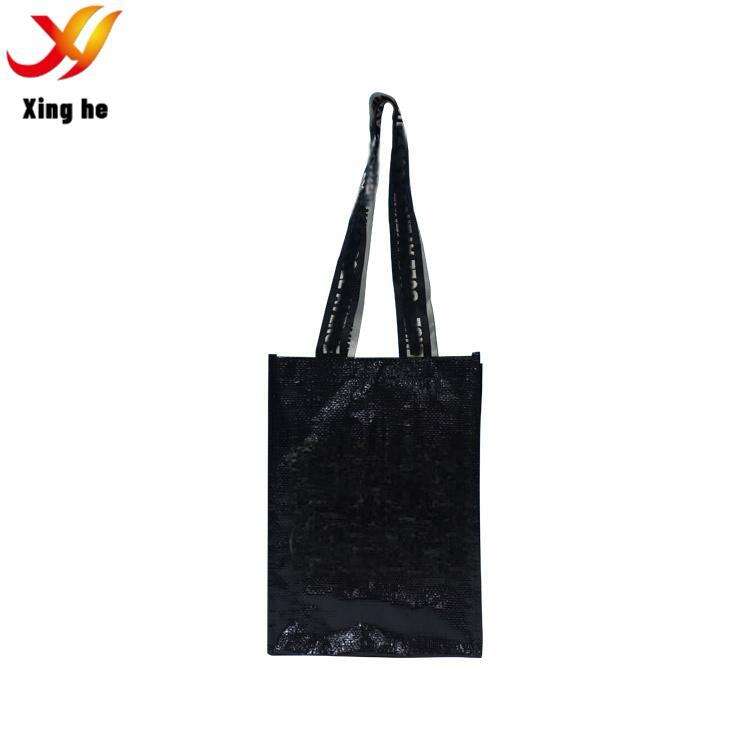
In today's environmentally conscious market, businesses and consumers alike are seeking sustainable alternatives to traditional plastic bags. PP woven shopping bags have emerged as a leading solution, offering exceptional durability and eco-friendly benefits. These innovative bags represent a significant advancement in sustainable packaging technology, providing both commercial and environmental advantages that make them an attractive choice for retailers and shoppers worldwide.
The comparison between PP woven shopping bags and non-woven alternatives has become increasingly relevant as businesses evaluate their packaging strategies. Understanding the fundamental differences in construction, performance, and longevity helps organizations make informed decisions about their sustainable packaging investments. This comprehensive analysis explores the durability characteristics that set these two bag types apart in today's competitive market.
Understanding PP Woven Shopping Bag Construction
Manufacturing Process and Material Composition
PP woven shopping bags are manufactured through a sophisticated weaving process that creates a robust fabric structure. The production begins with polypropylene resin being extruded into thin tapes, which are then stretched and cooled to achieve optimal strength characteristics. These tapes undergo a precise weaving process where they are interlaced at right angles, creating a strong, flexible fabric that forms the foundation of durable shopping bags.
The weaving pattern used in PP woven shopping bags typically follows a plain weave structure, where warp and weft tapes alternate over and under each other. This construction method distributes stress evenly across the fabric surface, significantly enhancing the bag's ability to withstand heavy loads and repeated use. The density of the weave can be adjusted during manufacturing to optimize the balance between strength, flexibility, and cost-effectiveness for specific applications.
Structural Advantages of Woven Design
The woven structure of PP woven shopping bags provides several inherent advantages over other bag construction methods. The interlaced tape pattern creates multiple load distribution points, preventing stress concentration that could lead to failure. This design allows the bags to maintain their shape and integrity even when subjected to irregular or sharp-edged contents that might damage other bag types.
Furthermore, the woven construction enables PP woven shopping bags to exhibit excellent tear resistance properties. When a small puncture or cut occurs, the woven structure tends to contain the damage rather than allowing it to propagate across the entire bag surface. This self-limiting damage characteristic significantly extends the useful life of these bags compared to alternatives with less robust structural designs.
Non-Woven Bag Characteristics and Limitations
Non-Woven Manufacturing Methods
Non-woven shopping bags are produced through processes that bond fibers together without traditional weaving or knitting techniques. The most common methods include spunbond, meltblown, and needle-punch technologies, each creating different fiber arrangements and bonding patterns. These manufacturing processes typically result in faster production speeds and lower initial costs compared to PP woven shopping bags, making them attractive for certain applications.
The fiber bonding in non-woven bags relies on thermal, chemical, or mechanical processes to create fabric cohesion. While these bonding methods can produce adequate strength for light-duty applications, they generally cannot match the mechanical interlocking strength achieved through the weaving process used in PP woven shopping bags. This fundamental difference in construction methodology directly impacts the long-term durability and performance characteristics of the finished products.
Performance Limitations in Demanding Applications
Non-woven shopping bags often exhibit limitations when subjected to heavy loads or repeated stress cycles. The fiber bonding points can become stress concentration areas where failure is more likely to occur under demanding conditions. Unlike PP woven shopping bags, which distribute loads through their interlaced structure, non-woven bags may experience localized failures that can quickly compromise the entire bag's integrity.
Additionally, non-woven bags typically demonstrate reduced resistance to abrasion and puncture compared to their woven counterparts. The loose fiber structure, while providing some advantages in terms of breathability and flexibility, lacks the mechanical protection offered by the tightly woven tape structure found in PP woven shopping bags. This difference becomes particularly apparent in retail environments where bags must withstand frequent handling and contact with various surfaces.
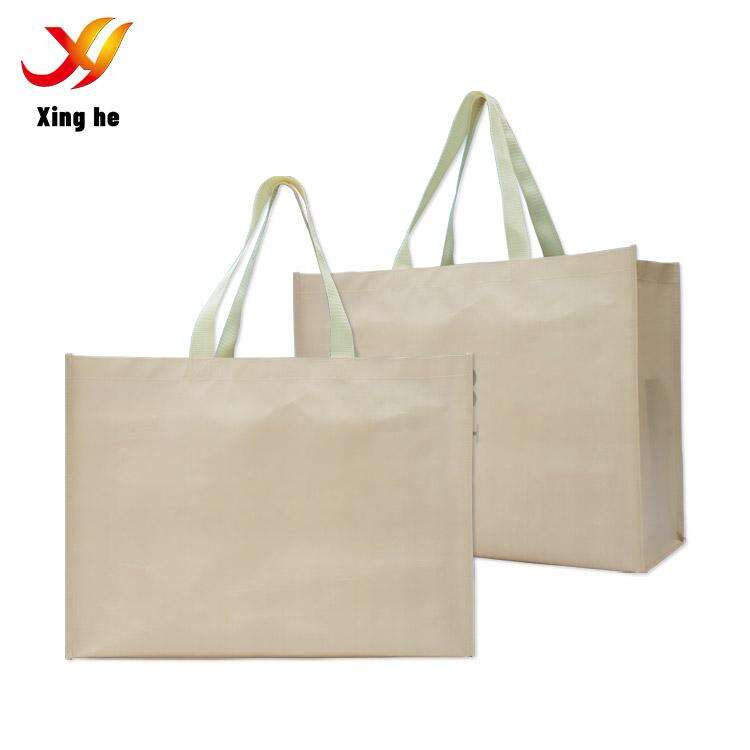
Durability Testing and Performance Metrics
Load Capacity and Weight Distribution
Comprehensive testing protocols have been developed to evaluate the load-bearing capacity of different shopping bag types. PP woven shopping bags consistently demonstrate superior performance in standardized load tests, often supporting weights that exceed the capabilities of non-woven alternatives by significant margins. These tests typically involve gradually increasing loads until bag failure occurs, providing quantitative data on ultimate strength characteristics.
The weight distribution capabilities of PP woven shopping bags also prove superior in real-world applications. The woven structure effectively spreads concentrated loads across the entire bag surface, reducing stress concentrations that might cause premature failure. This characteristic makes PP woven shopping bags particularly suitable for carrying mixed loads with varying weight distributions, a common scenario in retail shopping applications.
Cyclic Loading and Fatigue Resistance
Fatigue testing reveals significant differences between PP woven shopping bags and non-woven alternatives when subjected to repeated loading cycles. The interlaced structure of woven bags provides excellent resistance to fatigue-induced failures, maintaining structural integrity through hundreds or thousands of use cycles. This durability characteristic translates directly to extended service life in practical applications where bags are used repeatedly.
Non-woven bags typically show more rapid degradation under cyclic loading conditions, with fiber bonds gradually weakening through repeated stress applications. The cumulative effect of these micro-failures eventually compromises the bag's overall strength and reliability. In contrast, PP woven shopping bags maintain consistent performance characteristics throughout their extended service life, providing better value through reduced replacement frequency.
Environmental Factors and Weather Resistance
UV Radiation and Outdoor Exposure
Extended exposure to ultraviolet radiation presents challenges for all polymer-based shopping bags, but PP woven shopping bags demonstrate superior resistance to UV-induced degradation. The dense weave structure provides some inherent protection for internal fibers, while UV stabilizer additives can be incorporated during manufacturing to further enhance weather resistance. This combination of structural and chemical protection enables PP woven shopping bags to maintain their strength and appearance even after prolonged outdoor exposure.
The weathering performance of PP woven shopping bags makes them suitable for applications where bags might be stored or used in outdoor environments for extended periods. Garden centers, farmers markets, and outdoor retail locations benefit from the enhanced durability that allows bags to maintain their functionality despite challenging environmental conditions. This weather resistance contributes significantly to the overall value proposition of PP woven shopping bags in demanding applications.
Moisture and Chemical Resistance
Polypropylene's inherent chemical resistance provides PP woven shopping bags with excellent performance in environments where moisture or chemical exposure might be encountered. The material's low moisture absorption characteristics prevent water-induced swelling or weakening that might affect other bag materials. This resistance extends to many common household and commercial chemicals, making PP woven shopping bags suitable for diverse applications.
The chemical inertness of PP woven shopping bags also contributes to their suitability for food-related applications, where contact with various substances is inevitable. Unlike some non-woven materials that might absorb odors or flavors, PP woven shopping bags maintain their integrity and cleanliness through multiple use cycles. This characteristic enhances their appeal for grocery shopping and other food-related applications where hygiene is paramount.
Economic Analysis and Cost Effectiveness
Initial Investment Considerations
While PP woven shopping bags typically require a higher initial investment compared to non-woven alternatives, this cost difference must be evaluated in the context of expected service life and performance requirements. The advanced manufacturing processes and quality materials used in PP woven shopping bags contribute to their premium pricing, but these investments translate directly to enhanced durability and longevity.
The total cost of ownership calculations often favor PP woven shopping bags when all factors are considered. Their extended service life reduces replacement frequency, while their superior durability minimizes the risk of bag failures that could result in product damage or customer dissatisfaction. These factors combine to provide compelling economic justification for the initial investment in higher-quality PP woven shopping bags.
Long-term Value and Replacement Frequency
Extended service life represents one of the most significant advantages of PP woven shopping bags over non-woven alternatives. Real-world usage studies consistently demonstrate that PP woven shopping bags can withstand many more use cycles before requiring replacement. This extended durability translates to reduced procurement costs, lower inventory management overhead, and decreased environmental impact through reduced bag consumption.
The reliability of PP woven shopping bags also provides intangible benefits that contribute to their overall value proposition. Reduced bag failures mean fewer customer service issues, enhanced brand reputation, and improved customer satisfaction. These qualitative benefits, while difficult to quantify precisely, represent significant value additions that support the business case for investing in higher-quality PP woven shopping bags.
Applications and Industry Use Cases
Retail and Commercial Applications
The superior durability of PP woven shopping bags makes them ideal for demanding retail applications where bag performance directly impacts customer experience. Grocery stores, department stores, and specialty retailers increasingly recognize the value of providing customers with bags that can reliably carry their purchases without risk of failure. The professional appearance and consistent performance of PP woven shopping bags enhance the overall shopping experience while supporting brand image.
Heavy-duty applications particularly benefit from the enhanced strength characteristics of PP woven shopping bags. Hardware stores, garden centers, and industrial suppliers often deal with products that challenge conventional bag materials. The robust construction of PP woven shopping bags provides the reliability needed for these demanding applications while maintaining cost-effectiveness through extended service life.
Promotional and Marketing Applications
The durability advantages of PP woven shopping bags extend their effectiveness as promotional tools and marketing vehicles. Unlike disposable alternatives that may be discarded after single use, the longevity of PP woven shopping bags ensures extended brand exposure and marketing value. Custom printing and branding applied to these durable bags continue to provide promotional benefits throughout their extended service life.
Corporate sustainability initiatives also benefit from the adoption of PP woven shopping bags due to their extended useful life and recyclability. Companies can demonstrate their environmental commitment while providing practical value to customers through bags that offer genuine durability and reusability. This alignment of environmental and practical benefits makes PP woven shopping bags attractive for organizations seeking to enhance their sustainability profile.
FAQ
How many times can PP woven shopping bags be reused compared to non-woven bags
PP woven shopping bags typically withstand 100-500+ use cycles depending on load conditions and care, while non-woven bags generally last 10-50 cycles before showing significant wear. The woven structure distributes stress more effectively, preventing the localized failures common in non-woven alternatives. This dramatic difference in reuse capability makes PP woven shopping bags significantly more cost-effective over their service life.
What weight capacity advantages do PP woven shopping bags offer
Standard PP woven shopping bags can safely carry 15-25 kg loads, while comparable non-woven bags typically handle 3-8 kg before risking failure. The interlaced tape construction creates multiple load paths that distribute weight evenly across the bag structure. This superior load capacity makes PP woven shopping bags suitable for heavy grocery shopping, bulk purchases, and commercial applications where non-woven alternatives would be inadequate.
Are PP woven shopping bags more environmentally friendly than non-woven options
Yes, the extended service life of PP woven shopping bags significantly reduces their environmental impact per use compared to non-woven alternatives. While both materials are recyclable, the durability advantage means fewer bags are needed over time, reducing overall resource consumption and waste generation. The ability to reuse PP woven shopping bags hundreds of times makes them a more sustainable choice despite potentially higher initial material requirements.
How do PP woven shopping bags perform in wet conditions compared to non-woven bags
PP woven shopping bags maintain their strength and structural integrity when wet, as polypropylene has very low moisture absorption. Non-woven bags may experience reduced strength when exposed to moisture, particularly if they use water-soluble bonding agents. The chemical resistance of PP woven shopping bags also provides better performance when carrying wet or damp items, making them more reliable in adverse conditions.
Table of Contents
- Understanding PP Woven Shopping Bag Construction
- Non-Woven Bag Characteristics and Limitations
- Durability Testing and Performance Metrics
- Environmental Factors and Weather Resistance
- Economic Analysis and Cost Effectiveness
- Applications and Industry Use Cases
-
FAQ
- How many times can PP woven shopping bags be reused compared to non-woven bags
- What weight capacity advantages do PP woven shopping bags offer
- Are PP woven shopping bags more environmentally friendly than non-woven options
- How do PP woven shopping bags perform in wet conditions compared to non-woven bags