
 EN
EN



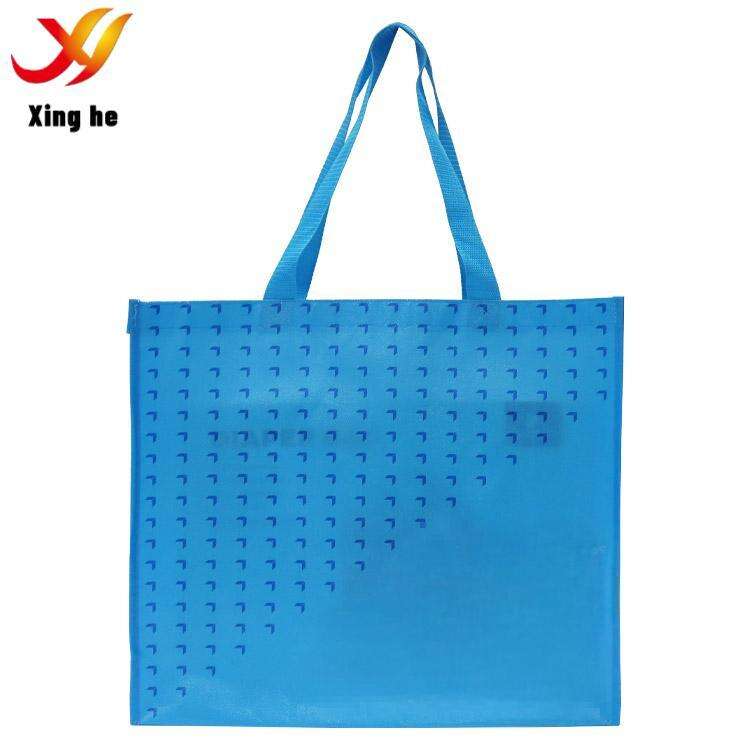
The global shift toward sustainable packaging solutions has reached a critical tipping point, with businesses and consumers demanding eco-friendly alternatives to traditional plastic bags. Among the most promising developments in this space are non woven bag suppliers who are revolutionizing the industry with innovative, durable, and environmentally responsible products. These specialized manufacturers are not just meeting current market demands but actively shaping the future of sustainable packaging through advanced materials science and responsible production practices.
The emergence of non woven bag suppliers as industry leaders represents a fundamental transformation in how we approach packaging sustainability. These companies utilize cutting-edge manufacturing techniques to create bags from synthetic fibers that are bonded together through mechanical, chemical, or thermal processes, resulting in products that combine strength, versatility, and environmental responsibility. The growing recognition of their potential has attracted significant investment and research, positioning these suppliers at the forefront of the sustainable packaging revolution.
Environmental Impact and Sustainability Advantages
Biodegradability and Waste Reduction
Leading non woven bag suppliers have developed products that address the critical environmental challenges posed by traditional plastic packaging. Unlike conventional plastic bags that can persist in the environment for hundreds of years, non woven bags manufactured by responsible suppliers can be designed to biodegrade within specific timeframes when disposed of properly. This biodegradability feature significantly reduces the accumulation of waste in landfills and natural environments, making these products an attractive alternative for environmentally conscious businesses and consumers.
The production processes employed by forward-thinking non woven bag suppliers also contribute to overall waste reduction through efficient material utilization and recycling capabilities. Many suppliers have implemented closed-loop manufacturing systems that minimize waste generation and maximize the use of recycled materials in their production processes. This approach not only reduces the environmental footprint of manufacturing but also creates cost efficiencies that can be passed on to customers, making sustainable packaging more accessible and affordable.
Carbon Footprint Reduction
Progressive non woven bag suppliers are actively working to minimize their carbon footprints through renewable energy adoption, efficient transportation methods, and local sourcing strategies. By establishing manufacturing facilities closer to their primary markets, these suppliers reduce transportation-related emissions while also supporting local economies. The energy-efficient production methods used by leading suppliers often require significantly less energy compared to traditional plastic bag manufacturing, contributing to overall greenhouse gas emission reductions.
The lifecycle assessment of products from reputable non woven bag suppliers consistently demonstrates lower carbon footprints compared to single-use plastic alternatives. When considering the durability and reusability of non woven bags, the per-use environmental impact becomes even more favorable, as these bags can typically be used hundreds of times before reaching the end of their useful life. This extended usability factor is a key consideration for businesses seeking to meet their sustainability goals and reduce their overall environmental impact.
Market Demand and Consumer Preferences
Growing Corporate Sustainability Initiatives
The increasing focus on corporate social responsibility has created unprecedented demand for services from reliable non woven bag suppliers. Major retailers, grocery chains, and consumer goods companies are actively seeking partnerships with suppliers who can provide sustainable packaging solutions that align with their environmental commitments. This demand has driven innovation within the supplier community, leading to the development of more sophisticated products that meet stringent quality and performance standards while maintaining environmental benefits.
Enterprise customers are particularly drawn to non woven bag suppliers who can offer comprehensive sustainability reporting and certification programs. These suppliers provide detailed documentation of their environmental impact, manufacturing processes, and supply chain practices, enabling their corporate clients to make informed decisions and meet their own sustainability reporting requirements. The transparency and accountability demonstrated by leading suppliers have become significant competitive advantages in securing long-term partnerships with major brands.
Consumer Awareness and Preference Shifts
Consumer attitudes toward packaging have undergone a dramatic transformation, with surveys consistently showing that shoppers are willing to pay premium prices for products packaged in sustainable materials. This shift in consumer preference has created a strong market pull for products from non woven bag suppliers, as retailers recognize the value of offering environmentally responsible packaging options to their customers. The visual appeal and perceived quality of non woven bags also contribute to positive brand associations for retailers who choose to partner with reputable suppliers.
The educational efforts undertaken by leading non woven bag suppliers have played a crucial role in raising consumer awareness about the benefits of their products. Through marketing campaigns, educational materials, and partnerships with environmental organizations, these suppliers have successfully communicated the advantages of non woven bags over traditional alternatives. This increased awareness has created a virtuous cycle of demand that continues to drive growth in the industry and attract new suppliers to the market.
Innovation and Technology Advancement
Advanced Manufacturing Processes
The technological capabilities of modern non woven bag suppliers represent a significant advancement over traditional manufacturing methods. State-of-the-art production facilities utilize computer-controlled systems to ensure consistent quality, optimal material usage, and precise customization options for clients. These advanced manufacturing processes enable suppliers to produce bags with specific properties such as water resistance, enhanced durability, or specialized printing capabilities, expanding the potential applications for their products across various industries.
Investment in research and development by leading non woven bag suppliers has resulted in breakthrough innovations in material science and production efficiency. New fiber technologies and bonding methods have enabled the creation of bags that are lighter, stronger, and more cost-effective than previous generations. These technological advances have also improved the aesthetic qualities of non woven bags, making them more appealing to both retailers and end consumers while maintaining their environmental advantages.
Customization and Design Capabilities
Modern non woven bag suppliers offer unprecedented levels of customization to meet the diverse needs of their clients. Advanced printing technologies allow for high-quality graphics, logos, and branding elements to be incorporated into bag designs without compromising the environmental benefits of the materials. This customization capability has made non woven bags an effective marketing tool for businesses while simultaneously promoting sustainable practices to consumers.
The design flexibility offered by innovative non woven bag suppliers extends beyond visual elements to include functional features such as reinforced handles, multiple compartments, and specialized closures. These enhanced design options enable businesses to create packaging solutions that are not only environmentally responsible but also highly functional and user-friendly. The ability to combine sustainability with practical functionality has been a key factor in the widespread adoption of non woven bags across various retail segments.
Economic Benefits and Cost Considerations
Long-term Cost Effectiveness
While the initial investment in products from non woven bag suppliers may be higher than traditional plastic alternatives, the long-term economic benefits are substantial. The durability and reusability of non woven bags mean that businesses and consumers can achieve significant cost savings over time through reduced replacement frequency. This economic advantage becomes more pronounced as the volume of usage increases, making non woven bags particularly attractive for high-volume retail applications.
Forward-thinking non woven bag suppliers have developed pricing models that recognize the total cost of ownership rather than just the initial purchase price. These suppliers often provide detailed cost-benefit analyses that demonstrate the long-term savings potential of their products, helping businesses make informed decisions based on comprehensive financial considerations. The growing scale of production among leading suppliers has also contributed to cost reductions that make sustainable packaging more accessible to businesses of all sizes.
Supply Chain Optimization
Established non woven bag suppliers have invested heavily in supply chain optimization to improve efficiency and reduce costs for their clients. By developing strategic partnerships with raw material providers and implementing just-in-time delivery systems, these suppliers can offer competitive pricing while maintaining high quality standards. The geographic distribution of production facilities among leading suppliers also enables them to serve global markets efficiently while minimizing transportation costs and delivery times.
The operational efficiency achieved by professional non woven bag suppliers translates into tangible benefits for their customers through improved inventory management and reduced storage requirements. Many suppliers offer flexible ordering options and rapid fulfillment capabilities that allow their clients to optimize their own supply chain operations. This collaborative approach to supply chain management has become a significant differentiator for suppliers seeking to build long-term partnerships with major retail and industrial customers.
Regulatory Compliance and Industry Standards
Environmental Regulations and Compliance
The regulatory landscape surrounding packaging materials is evolving rapidly, with governments worldwide implementing stricter environmental standards and plastic reduction mandates. Reputable non woven bag suppliers are proactively adapting their operations to meet these emerging regulations, positioning themselves as compliant partners for businesses seeking to avoid regulatory risks. This proactive approach to compliance has become a critical competitive advantage in markets where environmental regulations are becoming increasingly stringent.
Leading non woven bag suppliers maintain comprehensive compliance programs that address not only current regulations but also anticipated future requirements. These programs include regular auditing, certification processes, and continuous monitoring of regulatory developments across different markets. The expertise and resources that established suppliers bring to regulatory compliance help their clients navigate complex requirements while focusing on their core business operations.
Quality Standards and Certifications
Professional non woven bag suppliers adhere to rigorous quality standards that ensure their products meet or exceed industry benchmarks for performance, safety, and environmental impact. International certifications such as ISO standards, OEKO-TEX, and various environmental labels provide third-party validation of supplier capabilities and product quality. These certifications serve as important decision-making criteria for businesses seeking reliable suppliers who can consistently deliver high-quality products.
The commitment to quality demonstrated by certified non woven bag suppliers extends throughout their entire operation, from raw material sourcing to final product delivery. Comprehensive quality management systems ensure consistent product performance and enable continuous improvement in manufacturing processes. This systematic approach to quality has earned the trust of major brands and retailers who depend on reliable suppliers to maintain their own reputation and customer satisfaction levels.
FAQ
What makes non woven bag suppliers more sustainable than traditional packaging manufacturers
Non woven bag suppliers focus on creating reusable products that significantly reduce single-use packaging waste. Their manufacturing processes typically use fewer resources and generate less environmental impact compared to traditional plastic bag production. Many suppliers also incorporate recycled materials and implement circular economy principles in their operations, making their overall environmental footprint substantially smaller than conventional packaging alternatives.
How do businesses evaluate and select reliable non woven bag suppliers
Businesses should evaluate suppliers based on their environmental certifications, manufacturing capabilities, quality control systems, and compliance with relevant regulations. Key factors include production capacity, customization options, geographic coverage, and the supplier's track record with similar clients. Financial stability and the ability to provide comprehensive sustainability reporting are also important considerations for long-term partnerships.
What are the typical lead times and minimum order quantities for non woven bag suppliers
Lead times vary depending on customization requirements, order volume, and supplier capacity, typically ranging from 2-8 weeks for standard orders. Minimum order quantities differ significantly among suppliers, with some accommodating smaller orders while others require larger volumes to achieve cost efficiency. Many established suppliers offer flexible ordering options and expedited production for urgent requirements.
Can non woven bags from suppliers meet the durability requirements of heavy-duty applications
Modern non woven bag suppliers have developed products capable of handling substantial weight loads and repeated use cycles. Advanced manufacturing techniques and material innovations enable the production of bags with reinforced stress points, enhanced tear resistance, and improved overall durability. Many suppliers offer different grade options specifically designed for heavy-duty applications while maintaining environmental benefits.
Table of Contents
- Environmental Impact and Sustainability Advantages
- Market Demand and Consumer Preferences
- Innovation and Technology Advancement
- Economic Benefits and Cost Considerations
- Regulatory Compliance and Industry Standards
-
FAQ
- What makes non woven bag suppliers more sustainable than traditional packaging manufacturers
- How do businesses evaluate and select reliable non woven bag suppliers
- What are the typical lead times and minimum order quantities for non woven bag suppliers
- Can non woven bags from suppliers meet the durability requirements of heavy-duty applications