
 EN
EN



Selecting the right material for a modern shopping bag has become a critical consideration for both retailers and environmentally conscious consumers. With increasing awareness about sustainability and the need for durable carrying solutions, businesses are evaluating various material options that balance functionality, cost-effectiveness, and environmental impact. The choice of material directly influences the bag's strength, longevity, and overall user experience, making it essential to understand the properties and benefits of different options available in today's market.
Traditional Materials for Shopping Bag Construction
Paper-Based Solutions
Paper remains one of the most recognizable materials for shopping bag construction, offering excellent printability and biodegradability. High-quality kraft paper provides adequate strength for light to medium-weight items while maintaining an eco-friendly profile that appeals to environmentally conscious consumers. The recyclable nature of paper makes it an attractive option for businesses looking to enhance their sustainability credentials. However, paper shopping bag solutions face limitations in wet conditions and may not provide the durability required for repeated use or heavy items.
Modern paper shopping bag manufacturing has evolved to include reinforced handles and laminated surfaces that improve moisture resistance. These enhancements extend the functional life of paper bags while maintaining their biodegradable characteristics. Many retailers appreciate the customization possibilities that paper offers, allowing for vibrant printing and brand messaging that effectively communicates company values and product information to customers.
Plastic Material Options
Traditional polyethylene plastic bags dominated the retail landscape for decades due to their low cost and reliable performance. These lightweight solutions offered excellent moisture resistance and could carry substantial weight without tearing. However, environmental concerns regarding plastic waste and marine pollution have significantly reduced their popularity among retailers and consumers alike. Many jurisdictions have implemented bans or fees on single-use plastic bags, driving demand for alternative materials.
High-density polyethylene bags provided enhanced strength and durability compared to their low-density counterparts, making them suitable for heavier merchandise. Despite their functional advantages, the environmental impact and regulatory restrictions have positioned plastic bags as less favorable options for modern retail environments. The shift away from traditional plastic materials has accelerated innovation in sustainable alternatives that maintain similar functional benefits.
Sustainable Material Innovations
Woven Polypropylene Advantages
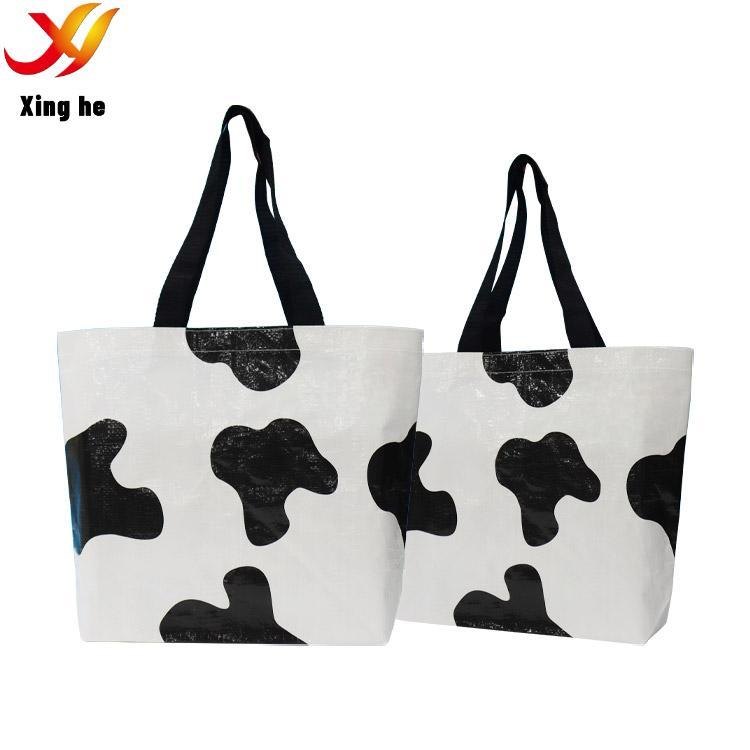
Woven polypropylene has emerged as a leading material for reusable shopping bag applications, combining durability with recyclability. This material offers exceptional strength-to-weight ratio, making it ideal for carrying heavy items while maintaining a relatively lightweight profile. The woven construction provides excellent tear resistance and can withstand repeated use cycles, making it a cost-effective long-term solution for both retailers and consumers. The versatility of polypropylene allows for vibrant color options and high-quality printing capabilities that enhance brand visibility.
The manufacturing process for shopping bag solutions using woven polypropylene enables customization in size, handle configuration, and structural reinforcement. These bags can be designed with reinforced bottoms and sides to accommodate specific load requirements while maintaining an attractive appearance. The material's resistance to moisture and chemicals makes it suitable for various retail environments, from grocery stores to industrial supply outlets.
Natural Fiber Applications
Cotton canvas represents a premium natural material option for shopping bag construction, offering biodegradability and a classic aesthetic appeal. The natural fiber construction provides excellent durability for repeated use while maintaining breathability that prevents moisture buildup. Cotton shopping bag solutions can be easily customized through various printing and dyeing techniques, allowing brands to create distinctive designs that resonate with their target audience. The material's ability to age gracefully adds character over time, making each bag unique to its owner.
Jute and burlap materials provide rustic charm while delivering practical functionality for shopping bag applications. These natural fibers offer excellent strength characteristics and biodegradable properties that align with sustainable packaging goals. The coarse texture of jute creates an distinctive tactile experience while providing reliable performance for carrying groceries and retail merchandise. However, natural fiber shopping bag options typically command higher prices than synthetic alternatives, positioning them as premium solutions for environmentally conscious consumers.
Performance Characteristics and Durability Factors
Load-Bearing Capacity
The load-bearing capacity of a shopping bag depends primarily on material composition, construction method, and handle attachment design. Woven materials generally provide superior strength compared to non-woven alternatives, with the interlaced fiber structure distributing stress more effectively across the bag surface. Handle attachment points represent critical stress concentration areas that require reinforcement through additional material layers or specialized stitching techniques. Proper design consideration for these high-stress areas significantly extends the functional life of shopping bag solutions.
Testing protocols for shopping bag strength typically involve both static load testing and dynamic stress evaluation to simulate real-world usage conditions. These assessments help manufacturers optimize material thickness, construction techniques, and reinforcement placement to achieve desired performance specifications while minimizing material costs. Understanding the relationship between material properties and load capacity enables retailers to select appropriate shopping bag solutions for their specific merchandise categories and customer usage patterns.
Weather Resistance Properties
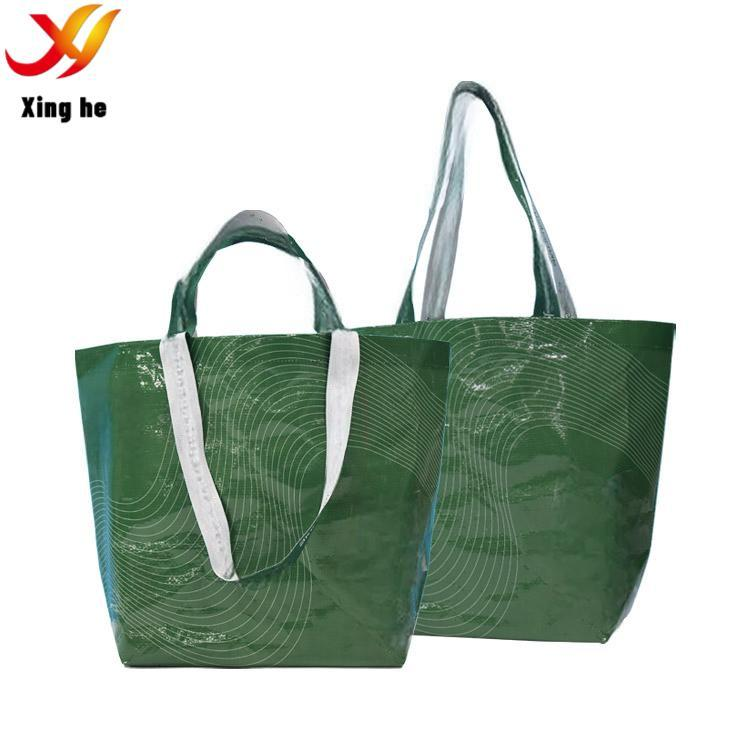
Weather resistance plays a crucial role in shopping bag performance, particularly for customers who must transport purchases through various environmental conditions. Synthetic materials like polypropylene offer excellent moisture resistance, maintaining structural integrity even when exposed to rain or high humidity conditions. This characteristic makes them ideal for outdoor markets, grocery shopping, and regions with challenging weather patterns. The dimensional stability of synthetic materials prevents stretching and deformation when wet, ensuring reliable performance throughout the bag's service life.
Natural materials require different considerations for weather resistance, with treatments and coatings available to improve moisture tolerance. Waxed canvas and treated cotton provide enhanced water resistance while maintaining the aesthetic appeal of natural fibers. However, these treatments may impact recyclability and biodegradability characteristics, requiring careful evaluation of trade-offs between performance and environmental considerations for shopping bag applications.
Cost-Effectiveness and Manufacturing Considerations
Production Economics
Manufacturing costs for shopping bag solutions vary significantly based on material choice, production volume, and customization requirements. Synthetic materials typically offer lower raw material costs and more efficient production processes compared to natural fiber alternatives. The scalability of synthetic material production enables manufacturers to achieve economies of scale that benefit both retailers and end consumers through reduced pricing. Automated manufacturing processes for synthetic shopping bag production minimize labor costs while maintaining consistent quality standards.
Natural material shopping bag production often requires more specialized equipment and skilled labor, resulting in higher manufacturing costs. However, the premium positioning of natural fiber bags can justify increased production expenses through higher retail margins. The decision between material options must consider both immediate cost implications and long-term value propositions for retailers and their customers. Volume commitments and long-term supplier relationships can help optimize costs for shopping bag procurement regardless of material choice.
Supply Chain Reliability
Supply chain stability represents a critical factor in material selection for shopping bag manufacturing. Synthetic materials benefit from established global supply networks and consistent availability, reducing supply disruption risks for manufacturers and retailers. The chemical industry's infrastructure supporting synthetic material production provides reliable raw material sources and predictable pricing structures. This stability enables better business planning and inventory management for shopping bag procurement.
Natural fiber supply chains face greater variability due to agricultural factors, weather conditions, and seasonal harvesting patterns. These variables can impact both availability and pricing of raw materials for shopping bag production. However, many natural fiber suppliers are developing more sophisticated supply chain management systems to improve reliability and reduce variability. Forward contracting and supplier diversification strategies can help mitigate supply risks associated with natural material shopping bag solutions.
Environmental Impact and Sustainability Metrics
Lifecycle Assessment Considerations
Comprehensive lifecycle assessment of shopping bag materials must evaluate environmental impact from raw material extraction through end-of-life disposal or recycling. Synthetic materials like polypropylene demonstrate favorable environmental profiles when considering durability and reuse potential, as their extended service life reduces the frequency of replacement purchases. The recyclability of many synthetic materials enables circular economy principles that minimize waste generation and resource consumption over time.
Natural fiber shopping bag solutions excel in biodegradability but may require more intensive agricultural inputs during raw material production. Water usage, pesticide application, and land use considerations must be evaluated alongside end-of-life disposal characteristics. The carbon footprint of transportation and processing also influences the overall environmental impact of different material choices for shopping bag applications. Balanced assessment of these factors helps retailers make informed decisions that align with their sustainability objectives.
Recycling and Disposal Options
End-of-life management represents a crucial consideration in shopping bag material selection, with different materials offering varying disposal and recycling options. Polypropylene bags can be recycled through existing plastic recycling infrastructure in many regions, supporting circular economy initiatives. However, recycling success depends on consumer participation and local recycling facility capabilities. Clear labeling and consumer education can improve recycling rates for synthetic shopping bag materials.
Natural fiber shopping bag materials offer composting and biodegradation options that eliminate long-term waste accumulation concerns. These materials integrate into natural decomposition cycles without leaving persistent environmental residues. However, composting requires appropriate conditions and consumer awareness to achieve effective biodegradation. Some natural materials may also be suitable for textile recycling programs that convert used bags into new products, extending their useful life cycle.
FAQ
Which material offers the best durability for frequent shopping bag use
Woven polypropylene typically provides the best durability for frequent shopping bag use due to its excellent strength-to-weight ratio and resistance to tearing. This synthetic material can withstand repeated use cycles while maintaining structural integrity, making it ideal for consumers who shop regularly. The material's resistance to moisture and chemicals also contributes to its longevity in various retail environments. While natural materials like canvas can be durable, they generally require more care and maintenance to achieve similar service life.
How do environmental factors influence shopping bag material choice
Environmental factors significantly influence shopping bag material selection, with considerations including biodegradability, recyclability, and carbon footprint. Natural materials excel in biodegradability but may require more intensive agricultural resources during production. Synthetic materials offer recyclability and durability benefits that can reduce overall environmental impact through extended use cycles. Retailers must balance immediate environmental concerns with lifecycle considerations to make optimal material choices for their shopping bag solutions.
What customization options are available for different shopping bag materials
Customization options vary significantly between shopping bag materials, with synthetic materials generally offering more flexibility in color, printing, and structural design. Polypropylene bags can accommodate vibrant colors and high-resolution printing while supporting various handle configurations and reinforcement options. Natural materials like cotton provide excellent printing surfaces but may have limitations in color vibrancy and weather resistance. The choice between materials should consider both functional requirements and branding objectives for optimal customization results.
How does shopping bag material choice impact overall retail costs
Shopping bag material choice significantly impacts retail costs through both immediate procurement expenses and long-term operational considerations. Synthetic materials typically offer lower unit costs and more predictable pricing, while natural materials command premium prices but may enhance brand positioning. The durability characteristics of different materials influence replacement frequency and customer satisfaction levels. Retailers should evaluate total cost of ownership including procurement, storage, and potential regulatory compliance costs when selecting shopping bag materials for their operations.