
 EN
EN




The rise of environmental consciousness has transformed the retail packaging industry, with eco bag manufacturers at the forefront of this sustainable revolution. These specialized companies face the unique challenge of creating products that meet stringent environmental standards while maintaining the durability and functionality that consumers demand. The balance between sustainability and quality has become a defining characteristic of successful eco bag manufacturers, requiring innovative approaches to material selection, production processes, and design methodologies.
Today's eco bag manufacturers must navigate complex supply chains, evaluate emerging materials, and implement advanced manufacturing techniques to deliver products that satisfy both environmental advocates and practical users. This delicate equilibrium requires a deep understanding of material science, consumer behavior, and environmental impact assessment. The most successful manufacturers have developed comprehensive strategies that integrate sustainability principles into every aspect of their operations while ensuring their products can withstand the rigors of daily use.
Material Innovation in Sustainable Bag Production
Advanced Eco-Friendly Material Technologies
Leading eco bag manufacturers invest heavily in research and development to identify and utilize cutting-edge sustainable materials. These materials range from recycled ocean plastics to innovative plant-based fibers that offer comparable strength to traditional synthetic materials. The development process involves extensive testing to ensure these eco-friendly alternatives can maintain structural integrity under various stress conditions while decomposing naturally at the end of their lifecycle.
Modern eco bag manufacturers collaborate with material scientists to create proprietary blends that combine multiple sustainable sources. These hybrid materials often incorporate recycled cotton, hemp fibers, and biodegradable polymers to achieve optimal performance characteristics. The manufacturing process requires precise control of fiber orientation, weaving patterns, and chemical treatments to ensure consistent quality across production batches.
Quality Assurance for Sustainable Materials
Quality control systems employed by professional eco bag manufacturers encompass comprehensive testing protocols that evaluate both environmental impact and functional performance. These assessments include tensile strength analysis, colorfastness evaluation, and biodegradability testing under controlled laboratory conditions. Manufacturers must establish clear benchmarks that define acceptable performance thresholds while maintaining environmental compliance standards.
The testing infrastructure utilized by established eco bag manufacturers includes specialized equipment for measuring material degradation rates, chemical composition analysis, and stress testing under extreme conditions. These facilities enable manufacturers to validate their sustainability claims while ensuring products meet or exceed industry durability standards. Regular quality audits help maintain consistency and identify opportunities for material optimization without compromising environmental benefits.
Production Process Optimization
Energy-Efficient Manufacturing Systems
Contemporary eco bag manufacturers prioritize energy efficiency throughout their production processes, implementing renewable energy sources and optimizing equipment utilization to minimize carbon footprint. Solar panels, wind turbines, and energy recovery systems have become standard installations in modern manufacturing facilities. These investments not only reduce environmental impact but also provide long-term cost savings that can be passed on to consumers through competitive pricing.
Production scheduling optimization allows eco bag manufacturers to maximize equipment efficiency while reducing energy consumption during peak demand periods. Advanced manufacturing execution systems monitor real-time energy usage and automatically adjust production parameters to maintain optimal efficiency levels. This technological integration ensures that sustainability goals align with productivity targets without compromising product quality specifications.
Waste Reduction and Circular Economy Principles
Innovative eco bag manufacturers implement comprehensive waste reduction strategies that transform production byproducts into valuable secondary materials. Fabric scraps, thread remnants, and defective products undergo systematic recycling processes that reintroduce materials into the production cycle. This circular approach minimizes waste disposal requirements while creating additional revenue streams from previously discarded materials.
Zero-waste manufacturing initiatives adopted by forward-thinking eco bag manufacturers involve redesigning production processes to eliminate waste generation entirely. These systems require careful planning of material utilization, precise cutting patterns, and innovative approaches to product design that maximize material efficiency. The implementation of such systems demonstrates the manufacturer's commitment to environmental stewardship while often resulting in improved profit margins through reduced material costs.
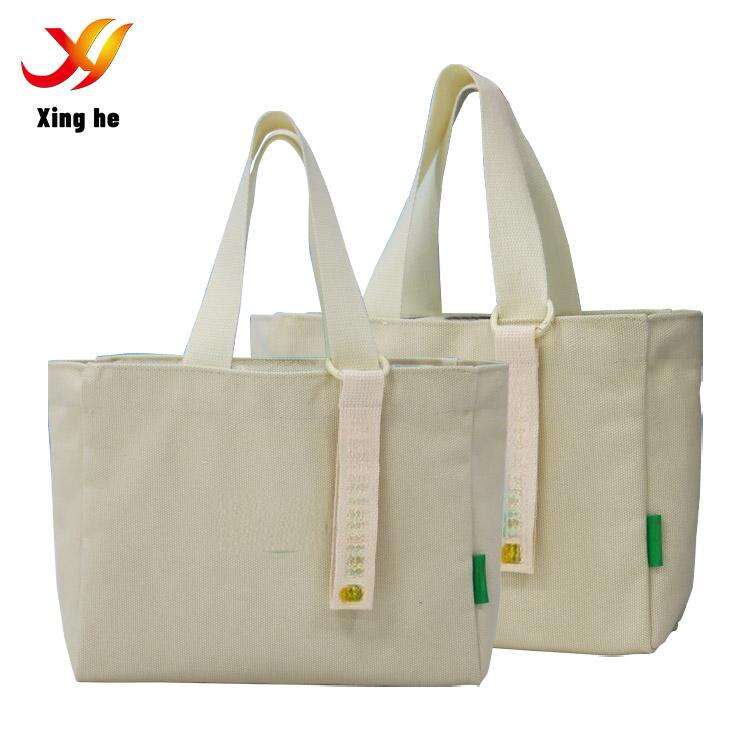
Design Excellence and Functional Performance
Ergonomic Design Principles
Professional eco bag manufacturers integrate ergonomic considerations into their design processes to ensure user comfort and product longevity. Handle design, weight distribution, and carrying capacity optimization require careful analysis of user behavior patterns and physical stress factors. These design elements directly impact customer satisfaction and product durability, making them critical components of the quality-sustainability balance.
Advanced computer modeling software enables eco bag manufacturers to simulate stress patterns and identify potential failure points before physical prototyping begins. This virtual testing approach reduces material waste during the development phase while ensuring optimal performance characteristics in the final product. The integration of user feedback data helps manufacturers refine designs to better meet practical requirements without sacrificing environmental benefits.
Aesthetic Appeal and Market Competitiveness
Market success for eco bag manufacturers depends significantly on creating visually appealing products that compete effectively with conventional alternatives. Color selection, pattern integration, and texture variation require careful consideration of both aesthetic preferences and environmental impact factors. Natural dyes, water-based printing systems, and sustainable finishing techniques enable manufacturers to achieve attractive designs while maintaining environmental compliance.
Brand differentiation strategies employed by successful eco bag manufacturers often emphasize the visible sustainability features of their products. Transparent material sourcing information, biodegradability indicators, and recycled content percentages become marketing assets that appeal to environmentally conscious consumers. This transparency builds trust and justifies premium pricing for sustainably produced products in competitive markets.
Supply Chain Sustainability
Ethical Sourcing Practices
Responsible eco bag manufacturers establish comprehensive supplier qualification programs that evaluate environmental practices, labor conditions, and quality management systems throughout their supply chains. These assessments ensure that sustainability principles extend beyond the immediate manufacturing facility to encompass all contributing partners. Regular audits and certification requirements help maintain consistent standards across the entire production network.
Traceability systems implemented by leading eco bag manufacturers provide complete visibility into material origins, processing methods, and transportation impacts. Blockchain technology and digital documentation systems enable real-time tracking of sustainability metrics from raw material extraction through final product delivery. This comprehensive approach allows manufacturers to identify optimization opportunities and validate their environmental impact claims with concrete data.
Local Sourcing and Community Impact
Geographic proximity of suppliers plays a crucial role in the sustainability strategies of environmentally conscious eco bag manufacturers. Local sourcing reduces transportation emissions, supports regional economies, and enables better quality control through direct supplier relationships. These partnerships often result in improved material quality and faster response times to changing market demands.
Community engagement initiatives undertaken by socially responsible eco bag manufacturers create positive economic impacts that extend beyond immediate business relationships. Skills development programs, equipment sharing arrangements, and collaborative research projects strengthen local manufacturing capabilities while advancing sustainability objectives. These investments in community development often yield long-term benefits through improved supplier reliability and enhanced brand reputation.
Quality Control and Testing Methodologies
Comprehensive Testing Protocols
Rigorous testing procedures implemented by professional eco bag manufacturers encompass multiple performance criteria including load capacity, durability under repeated use, and resistance to environmental factors. Standardized testing equipment measures tear strength, abrasion resistance, and dimensional stability under controlled conditions. These objective measurements provide quantitative data that supports quality claims and enables continuous improvement initiatives.
Accelerated aging tests conducted by quality-focused eco bag manufacturers simulate extended use periods to predict long-term performance characteristics. Environmental chambers expose products to extreme temperature variations, humidity cycles, and ultraviolet radiation to identify potential degradation mechanisms. This predictive testing approach helps manufacturers optimize material formulations and design specifications before market introduction.
Customer Feedback Integration
Systematic collection and analysis of customer feedback provides valuable insights that guide product development efforts for responsive eco bag manufacturers. Digital platforms, survey systems, and direct communication channels enable manufacturers to gather real-world performance data and identify areas for improvement. This customer-centric approach ensures that sustainability initiatives align with practical user requirements and market expectations.
Continuous improvement programs based on customer input allow eco bag manufacturers to refine their products iteratively while maintaining environmental commitments. Regular design updates, material enhancements, and process modifications reflect changing customer needs and advancing sustainability technologies. This adaptive approach demonstrates manufacturer responsiveness while building customer loyalty through demonstrated commitment to quality enhancement.
FAQ
What materials do eco bag manufacturers typically use to ensure both sustainability and durability
Eco bag manufacturers commonly utilize recycled polyester, organic cotton, hemp, jute, and innovative materials like recycled ocean plastic. These materials undergo specialized treatments to enhance durability while maintaining biodegradability. Manufacturers often blend different sustainable fibers to achieve optimal strength-to-weight ratios and ensure products can withstand repeated use without compromising environmental benefits.
How do eco bag manufacturers test product quality while maintaining environmental standards
Quality testing for eco bag manufacturers involves comprehensive protocols including tensile strength analysis, load capacity evaluation, and environmental stress testing using non-toxic procedures. Manufacturers employ standardized testing equipment that measures performance without introducing harmful chemicals. Accelerated aging tests simulate long-term use while biodegradability assessments ensure products break down naturally at end-of-life.
What certifications should consumers look for when choosing products from eco bag manufacturers
Reputable eco bag manufacturers typically obtain certifications such as Global Organic Textile Standard (GOTS), OEKO-TEX Standard 100, Forest Stewardship Council (FSC), and Cradle to Cradle certification. These third-party validations ensure products meet strict environmental and social criteria. Additionally, ISO 14001 environmental management certification indicates manufacturers maintain systematic approaches to minimizing environmental impact throughout their operations.
How do eco bag manufacturers balance cost considerations with sustainability requirements
Eco bag manufacturers achieve cost-effectiveness through economies of scale, efficient production processes, and strategic material sourcing partnerships. Initial investments in sustainable technologies often result in long-term savings through reduced waste, energy efficiency improvements, and premium pricing opportunities. Manufacturers optimize designs to minimize material usage while maintaining functionality, and implement circular economy principles that create additional revenue streams from waste materials.
Table of Contents
- Material Innovation in Sustainable Bag Production
- Production Process Optimization
- Design Excellence and Functional Performance
- Supply Chain Sustainability
- Quality Control and Testing Methodologies
-
FAQ
- What materials do eco bag manufacturers typically use to ensure both sustainability and durability
- How do eco bag manufacturers test product quality while maintaining environmental standards
- What certifications should consumers look for when choosing products from eco bag manufacturers
- How do eco bag manufacturers balance cost considerations with sustainability requirements