
 EN
EN



The growing global awareness of environmental sustainability has transformed the packaging industry, with businesses increasingly seeking alternatives to traditional plastic packaging solutions. A non woven bag supplier plays a crucial role in this transformation by providing eco-friendly packaging options that reduce environmental impact while meeting commercial packaging requirements. Understanding how these suppliers contribute to sustainable packaging solutions helps businesses make informed decisions about their environmental commitments and packaging strategies.
The contribution of a non woven bag supplier extends beyond simply manufacturing bags, encompassing the entire ecosystem of sustainable packaging development, material innovation, and environmental responsibility. These suppliers drive positive environmental change through advanced manufacturing processes, responsible material sourcing, and collaborative partnerships with businesses committed to reducing their carbon footprint.
Material Innovation and Sustainable Manufacturing Processes
Advanced Fiber Technology Development
A professional non woven bag supplier invests heavily in developing advanced fiber technologies that enhance the environmental benefits of their products. These suppliers utilize polypropylene and other recyclable materials through sophisticated manufacturing processes that minimize waste generation during production. The innovation in fiber bonding techniques allows suppliers to create stronger, more durable bags using fewer raw materials, thereby reducing the overall environmental footprint of each product.
The manufacturing innovation extends to developing biodegradable additives and exploring alternative fiber sources, including recycled content integration. Forward-thinking suppliers continuously research new material compositions that maintain product durability while accelerating decomposition rates in appropriate disposal conditions. This technological advancement positions the non woven bag supplier as a key driver of packaging industry sustainability.
Energy-Efficient Production Systems
Modern non woven bag suppliers implement energy-efficient production systems that significantly reduce the carbon footprint associated with bag manufacturing. These systems utilize advanced heating and cooling technologies, optimized machinery operation schedules, and renewable energy integration where possible. The commitment to energy efficiency demonstrates how suppliers contribute to eco-friendly packaging through operational excellence.
Production efficiency improvements also include waste heat recovery systems, automated quality control processes that minimize rejected products, and lean manufacturing principles that eliminate unnecessary resource consumption. These operational enhancements allow the non woven bag supplier to deliver superior environmental performance while maintaining competitive pricing and product quality.
Circular Economy Integration and Waste Reduction
End-of-Life Product Management
A responsible non woven bag supplier actively participates in circular economy initiatives by designing products with end-of-life considerations integrated into the development process. This approach involves creating bags that can be easily recycled, repurposed, or safely composted depending on their material composition and intended application. Suppliers often provide guidance to customers about proper disposal methods and may even establish take-back programs for used bags.
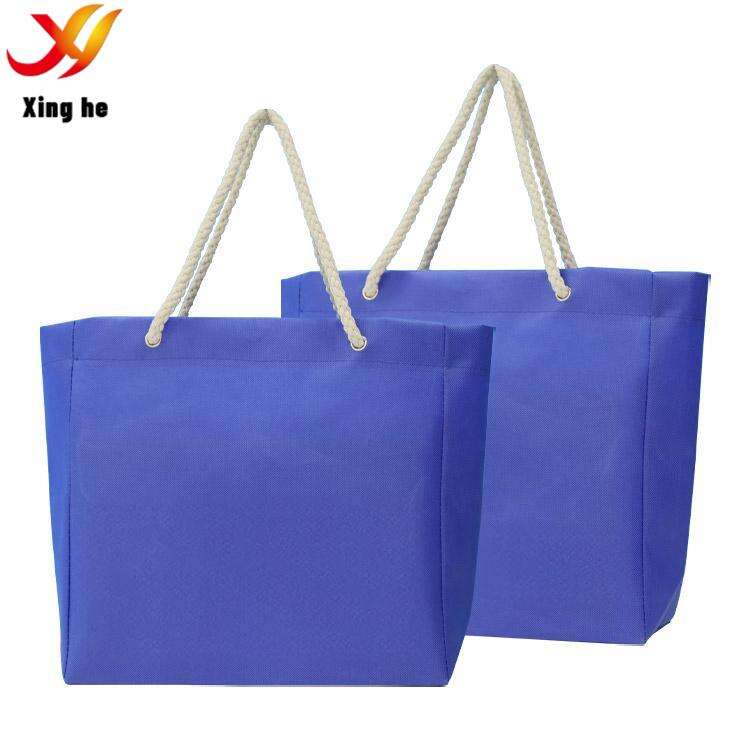
The circular economy integration extends to supplier partnerships with recycling facilities and waste management companies, ensuring that their products have established pathways for responsible disposal. This comprehensive approach to product lifecycle management demonstrates the supplier's commitment to environmental stewardship beyond the point of sale.
Production Waste Minimization Strategies
Leading suppliers implement comprehensive waste minimization strategies throughout their production processes, including material optimization techniques that maximize fabric utilization and minimize cutting waste. These strategies often involve sophisticated pattern optimization software and production planning systems that reduce material waste by optimizing cutting patterns and production sequences.
Additionally, production waste that cannot be eliminated is typically recycled back into the manufacturing process or diverted to other applications, ensuring minimal waste reaches landfills. The non woven bag supplier's commitment to waste reduction contributes significantly to the overall environmental benefits of choosing these packaging solutions over traditional alternatives.
Supply Chain Sustainability and Responsible Sourcing
Raw Material Sourcing Standards
A committed non woven bag supplier maintains strict standards for raw material sourcing, prioritizing suppliers who demonstrate environmental responsibility and sustainable practices. This includes sourcing polypropylene and other materials from manufacturers with certified environmental management systems, renewable energy usage, and responsible waste management practices. The supplier's sourcing decisions directly impact the overall environmental footprint of the final products.
Responsible sourcing also involves regular auditing of material suppliers to ensure compliance with environmental standards and continuous improvement in sustainability practices. Many suppliers increasingly incorporate recycled content into their products, working with certified recycled material providers to close the loop on plastic waste streams.
Transportation and Logistics Optimization
The environmental contribution of a non woven bag supplier extends to optimizing transportation and logistics operations to minimize carbon emissions associated with product distribution. This includes consolidating shipments, optimizing delivery routes, and utilizing fuel-efficient transportation methods where possible. Some suppliers invest in carbon offset programs to neutralize the environmental impact of their distribution activities.
Logistics optimization also involves packaging efficiency improvements that reduce the volume and weight of shipped products, thereby decreasing transportation-related emissions per unit. The supplier's commitment to sustainable logistics practices amplifies the environmental benefits of choosing eco-friendly packaging solutions.
Customer Education and Sustainability Partnerships
Environmental Impact Awareness Programs
A proactive non woven bag supplier takes responsibility for educating customers about the environmental benefits of their products and proper usage practices to maximize sustainability outcomes. This education includes providing detailed information about product recyclability, durability expectations, and optimal care instructions that extend product lifespan and environmental benefits.
Educational initiatives often include sustainability reporting, carbon footprint calculations, and comparative environmental impact analyses that help customers understand the positive environmental effects of their packaging choices. This transparency builds trust and enables informed decision-making throughout the supply chain.
Collaborative Sustainability Initiatives
Leading suppliers actively collaborate with customers to develop customized sustainability solutions that address specific environmental challenges and business requirements. These partnerships may involve developing specialized bag designs that optimize material usage for particular applications, implementing take-back programs, or creating closed-loop systems where used bags are collected and recycled into new products.
Collaborative initiatives also extend to industry-wide sustainability programs, research partnerships with environmental organizations, and participation in certification programs that validate environmental claims. The non woven bag supplier's commitment to collaboration amplifies their environmental impact beyond individual customer relationships.
Innovation in Eco-Friendly Design and Functionality
Biodegradable and Compostable Options
Progressive suppliers continuously develop biodegradable and compostable alternatives that provide the functionality of traditional non woven bags while offering superior end-of-life environmental outcomes. These innovations involve incorporating plant-based fibers, biodegradable additives, and alternative bonding methods that maintain product integrity during use while enabling rapid decomposition under appropriate conditions.
The development of compostable options requires extensive testing and certification to ensure products meet established compostability standards while maintaining necessary performance characteristics. A dedicated non woven bag supplier invests in research and development to create products that balance functionality with environmental responsibility.
Multi-Use Design Optimization
Innovative suppliers focus on designing bags that maximize utility and durability, encouraging multiple uses that multiply the environmental benefits per unit produced. This involves optimizing handle designs, reinforcement techniques, and overall construction methods that extend product lifespan significantly beyond single-use applications.
Multi-use design optimization also includes developing modular or convertible bag designs that adapt to different applications, increasing versatility and reducing the need for multiple specialized packaging solutions. The supplier's commitment to design innovation directly contributes to resource efficiency and waste reduction throughout the packaging supply chain.
FAQ
How do non woven bags reduce environmental impact compared to traditional plastic bags?
Non woven bags significantly reduce environmental impact through their reusable nature, recyclable materials, and reduced manufacturing energy requirements compared to traditional plastic bags. A quality non woven bag supplier produces bags that can be used hundreds of times, dramatically reducing the per-use environmental footprint. Additionally, the polypropylene material used in most non woven bags is fully recyclable and produces fewer harmful emissions during manufacturing than traditional plastic bag materials.
What certifications should businesses look for when selecting a non woven bag supplier?
Businesses should seek suppliers with ISO 14001 environmental management certification, OEKO-TEX standards for textile safety, and relevant recycling certifications for their materials. A reputable non woven bag supplier often maintains multiple certifications demonstrating commitment to environmental responsibility, worker safety, and product quality. Additionally, look for suppliers who provide third-party verified carbon footprint assessments and participate in industry sustainability initiatives.
Can non woven bags be customized while maintaining their eco-friendly properties?
Yes, experienced suppliers offer extensive customization options using eco-friendly printing methods and sustainable decoration techniques that maintain the environmental benefits of the base product. A professional non woven bag supplier utilizes water-based inks, heat transfer methods, and other environmentally responsible decoration processes that do not compromise recyclability or add harmful substances to the finished product. Customization can actually enhance sustainability by creating branded bags that recipients are more likely to reuse multiple times.
How does working with a local non woven bag supplier enhance environmental benefits?
Partnering with a local non woven bag supplier reduces transportation-related carbon emissions, supports regional economic sustainability, and enables better collaboration on environmental initiatives. Local suppliers often provide faster delivery times with lower transportation costs and environmental impact, while also offering more responsive customer service for sustainability program development. Additionally, local partnerships facilitate better oversight of manufacturing practices and easier implementation of take-back or recycling programs for used bags.
Table of Contents
- Material Innovation and Sustainable Manufacturing Processes
- Circular Economy Integration and Waste Reduction
- Supply Chain Sustainability and Responsible Sourcing
- Customer Education and Sustainability Partnerships
- Innovation in Eco-Friendly Design and Functionality
-
FAQ
- How do non woven bags reduce environmental impact compared to traditional plastic bags?
- What certifications should businesses look for when selecting a non woven bag supplier?
- Can non woven bags be customized while maintaining their eco-friendly properties?
- How does working with a local non woven bag supplier enhance environmental benefits?