In the evolving landscape of sustainable B2B procurement, Recycled Polyethylene Terephthalate (RPET) has emerged as a frontrunner. Often misunderstood as a "weaker" alternative to virgin plastics, RPET bags actually offer remarkable durability and strength, making them ideal for everything from high-end retail to heavy-duty promotional use.
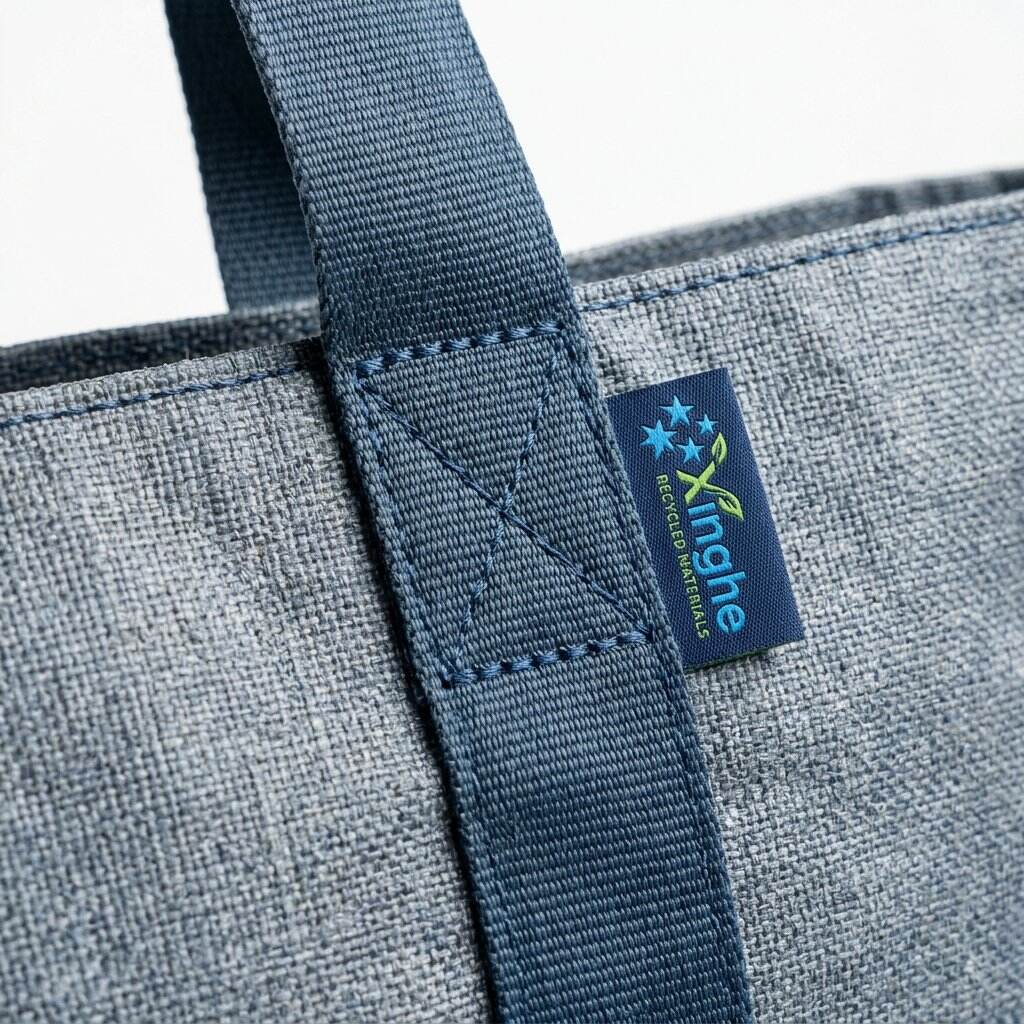
At Xinghe (XH), our commitment to sustainability—represented by the blue and green in our logo—is matched only by our dedication to quality. This article dives deep into the technical specifications that make RPET bags a robust choice for businesses looking to balance environmental responsibility with long-lasting performance.
What is RPET? From Plastic Bottles to Performance Fabric
RPET is created by recycling post-consumer plastic bottles. These bottles are cleaned, shredded, melted, and spun into high-quality polyester fibers. This process not only diverts plastic from landfills and oceans but also requires significantly less energy and water compared to producing virgin polyester.
For B2B buyers, the key question is often: Does the recycling process compromise the material's integrity? The answer is a resounding no. Modern manufacturing techniques ensure that RPET fibers maintain the same molecular strength as their virgin counterparts.
The Engineering of Strength: Why RPET Performs
1. High Tensile Strength
Polyester, whether virgin or recycled, is known for its high tensile strength. This means RPET bags can withstand significant weight and stress without tearing. In laboratory testing, RPET fabric shows excellent resistance to stretching and shrinking, ensuring that the bag retains its shape over years of use.
2. Abrasion Resistance
RPET is inherently resistant to abrasion. For businesses sourcing backpacks or heavy-duty shopping totes, this is critical. The fabric's tightly woven structure prevents fraying and surface wear, even in high-friction environments.
3. Moisture and Chemical Resistance
One of the standout features of RPET is its hydrophobic nature. It does not absorb moisture, which prevents the growth of mold and mildew—a common issue with natural fibers like cotton. Additionally, RPET is resistant to many chemicals, making it suitable for industrial and outdoor applications.
B2B Applications: Where RPET Shines
Promotional Totes and Shopping Bags
For retail brands, RPET offers a premium feel that paper or thin plastic cannot match. Because the material is so durable, these bags are reused hundreds of times, providing continuous brand exposure for your business.
Technical Backpacks and Gear
Due to its strength-to-weight ratio, RPET is increasingly used in the production of corporate backpacks and laptop sleeves. It provides the necessary protection for valuable electronics while keeping the overall weight manageable.
Industrial and Reusable Packaging
Large-scale logistics companies are turning to RPET for reusable shipping sacks. Its ability to be laundered and its resistance to heavy loads make it a cost-effective, sustainable alternative to single-use options.
The GRS Certification: Ensuring Traceability and Quality
A critical component of RPET's value proposition in the B2B sector is the Global Recycled Standard (GRS) certification. At Xinghe, we emphasize GRS for several reasons that directly impact the strength and reliability of the final product.
The GRS certification is not just about environmental claims; it includes strict requirements for:
1. : Verification that the material is indeed 100% recycled.
2. : Tracking the material from the recycling facility to the final stitching room.
Social and Environmental Practices
3. : Ensuring the manufacturing process meets high ethical standards.
4. : Guaranteeing that no harmful substances are used, which could otherwise weaken the fibers over time.
By adhering to GRS standards, Xinghe ensures that the RPET used in your bags is of the highest grade, free from contaminants that could cause premature wear or structural failure.
Technical Maintenance: Maximizing the Life of RPET Bags
To ensure that your RPET bags maintain their strength and aesthetic appeal over hundreds of uses, we recommend the following maintenance guidelines for your end-users:
● : RPET is naturally stain-resistant. For most spills, a simple wipe with a damp cloth and mild soap is sufficient. For deeper cleans, most RPET bags are machine washable on a gentle cycle, though air drying is recommended to preserve any specialized coatings.
● : While RPET is UV resistant, long-term storage in direct, harsh sunlight should be avoided to prevent slight color fading over many years.
● : While our bags are built for heavy-duty use, encouraging users to distribute weight evenly can prolong the life of the seams and handles indefinitely.
Conclusion
The shift toward RPET bags is not just a trend; it is a strategic business decision. By choosing RPET, you are choosing a material that is as strong as your commitment to the planet. Its durability ensures a lower cost-per-use and a higher perceived value for your customers.
Whether you are looking for stylish retail totes or rugged industrial bags, RPET provides the strength and longevity your brand demands.
Looking to transition your product line to durable RPET solutions? Contact the experts at Xinghe today for samples and a comprehensive consultation on our recycled material options.

 EN
EN