In the world of temperature-controlled logistics and consumer lifestyle products, the insulated cooler bag is a staple. However, when a bag is designed to transport food and beverages, its function extends beyond thermal insulation—it becomes a matter of public health and safety. For B2B buyers in the food service, retail, and promotional sectors, understanding food-grade certifications like LFGB (Germany/EU) and FDA (USA) is essential.
At Xinghe (XH), we specialize in the engineering of high-performance cooler bags that are not only efficient at maintaining temperature but also strictly compliant with international food safety standards. This article explores the nuances of these regulations and why they are critical for your brand.
Why Food-Grade Certification Matters
A cooler bag’s inner lining is often in direct or indirect contact with food containers or the food itself. If the materials used—such as PEVA, PVC, or aluminum foil—contain harmful chemicals like phthalates, lead, or BPA, these substances can migrate into the food.
Non-compliant cooler bags can lead to:
● : Exposure to toxic chemicals can cause long-term health issues for consumers.
● : Selling non-compliant food-contact materials can result in massive fines and product recalls.
● : A single safety scandal can destroy years of brand trust.
FDA Standards: The American Benchmark
The U.S. Food and Drug Administration (FDA) regulates all food-contact materials under the Federal Food, Drug, and Cosmetic Act. For cooler bags sold in the United States, the materials must be "generally recognized as safe" (GRAS).
Key FDA considerations for cooler bags include:
● : Ensuring that plastics like PEVA do not contain heavy metals or prohibited additives.
● : Verifying that the lining does not release hazardous substances when exposed to different temperatures or food types (oily, acidic, etc.).
LFGB Standards: The European Gold Standard
While FDA standards are rigorous, the German LFGB (Lebensmittel-, Bedarfsgegenstände- und Futtermittelgesetzbuch) is often considered even stricter, particularly within the European Union. Products that pass LFGB testing can be marketed across the EU with a high degree of confidence.
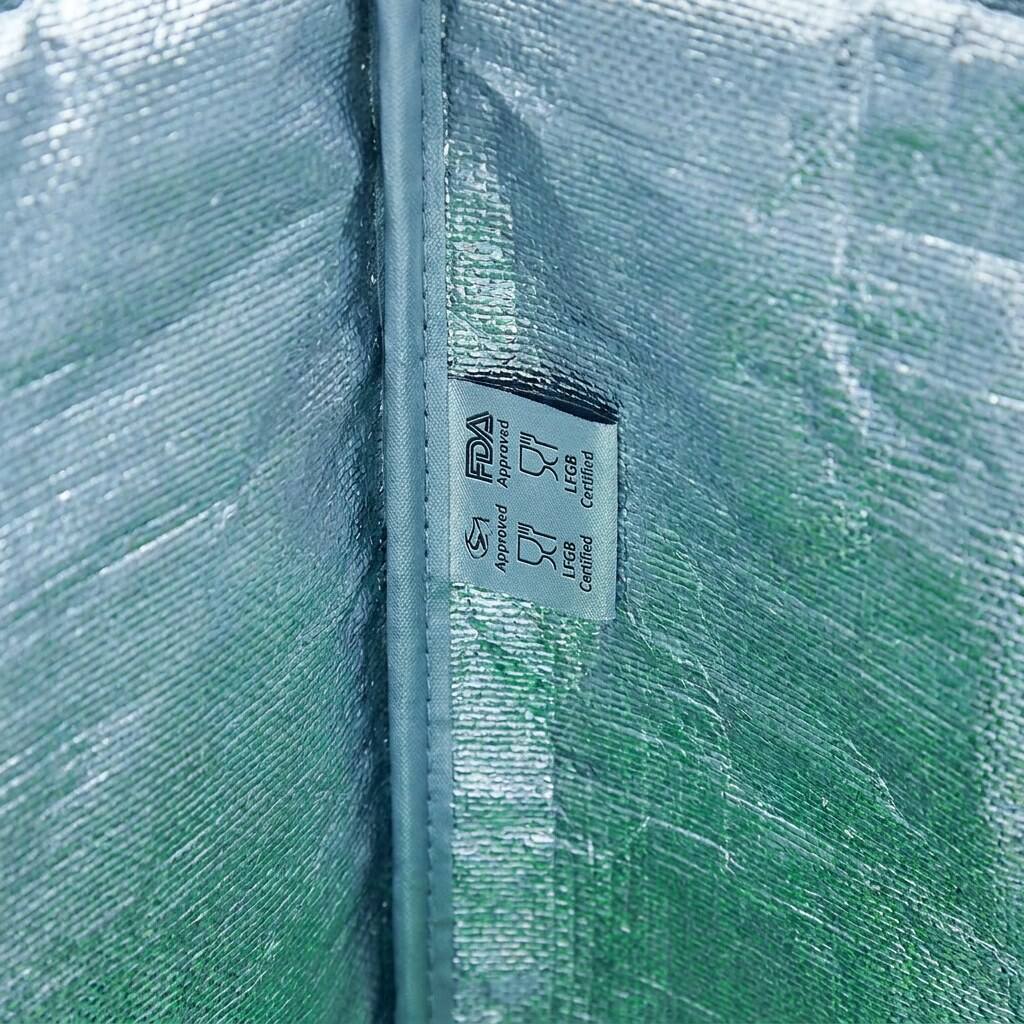
The "Glass and Fork" symbol is the hallmark of LFGB compliance. Key differences include:
● : LFGB requires testing to ensure the material does not transfer any smell or taste to the food.
● : LFGB often has lower thresholds for chemical migration compared to other standards, making it the preferred choice for high-end European retailers.
How Xinghe Ensures Food-Grade Quality
At Xinghe, our "Safety First" philosophy is embedded in our manufacturing process. We don't just produce bags; we engineer safety solutions.
1. Premium Material Selection
We exclusively use high-quality, food-grade linings such as PEVA (polyethylene vinyl acetate), which is chlorine-free, phthalate-free, and inherently more eco-friendly than traditional PVC. Our aluminum foil linings are reinforced for durability while maintaining food-grade purity.
2. Heat-Sealed Leakproof Technology
Food safety also involves hygiene. Our cooler bags often feature heat-sealed (seamless) linings rather than stitched seams. This prevents food liquids from leaking into the insulation foam, where bacteria can grow. This "leakproof" design makes the bags easier to clean and sanitize.
3. Third-Party Validation
We partner with leading labs such as SGS and Intertek to conduct regular LFGB and FDA testing. We provide our B2B clients with the original test reports, ensuring full transparency and compliance for every batch produced.
The Xinghe Advantage: Reliability in Every Stitch
Our logo, featuring the blue and green XH mark, represents our commitment to reliability (blue) and safe, sustainable growth (green). When you partner with Xinghe for your cooler bag needs, you are getting more than just a container; you are getting a product that meets the highest global standards for safety and performance.
Whether you are looking for delivery bags for a restaurant chain or premium insulated totes for a retail collection, our team is equipped to guide you through the compliance landscape, ensuring your products are ready for any market.
Conclusion
Food safety is a critical pillar of the cooler bag industry. By understanding and adhering to LFGB and FDA standards, B2B buyers can protect their customers and their business. At Xinghe, we take the complexity out of compliance, providing high-quality, food-safe insulated bags that you can trust.
Don’t compromise on safety. Choose a partner who understands the importance of what’s on the inside as much as what’s on the outside.
Ready to develop a safe and compliant cooler bag line? Contact Xinghe today to discuss your food-grade material requirements and view our latest certification reports.

 EN
EN