
 EN
EN



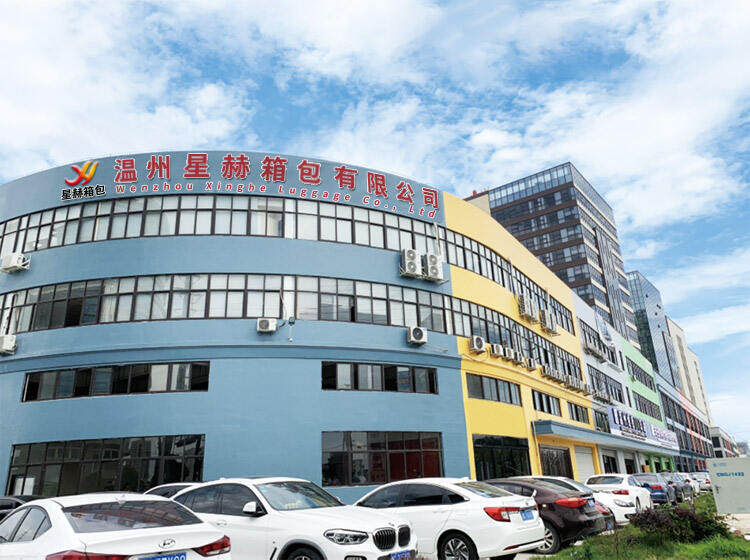
In today's competitive business landscape, selecting the right packaging solutions can significantly impact your company's operational efficiency and brand reputation. When it comes to durable, cost-effective packaging options, polypropylene woven bags have emerged as a preferred choice across various industries. However, the key to maximizing the benefits of this packaging solution lies in partnering with a trustworthy PP woven bag supplier who understands your specific business requirements and can deliver consistent quality products that meet international standards.
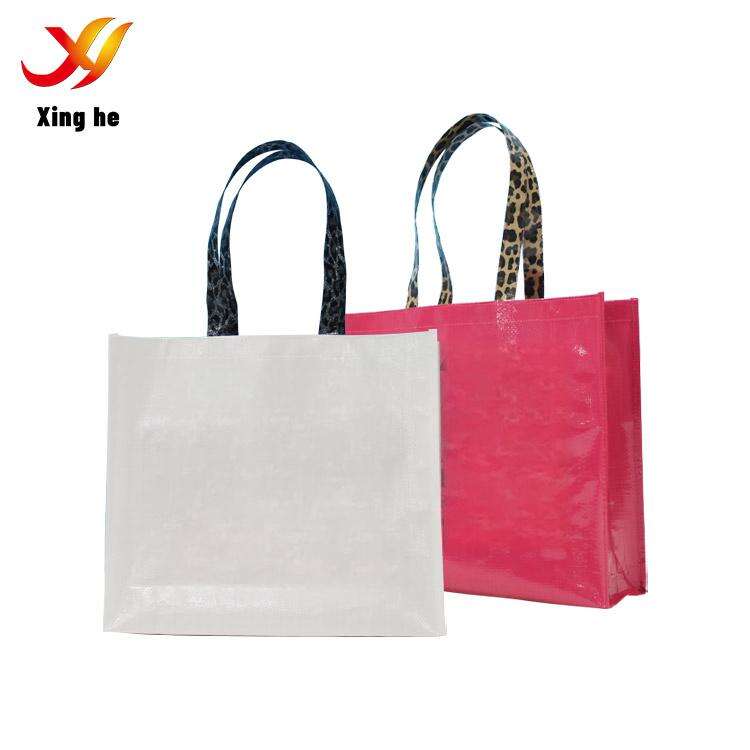
The packaging industry has witnessed tremendous growth over the past decade, with businesses increasingly recognizing the importance of sustainable and economical packaging alternatives. Polypropylene woven bags offer an excellent balance of strength, durability, and environmental responsibility, making them suitable for packaging everything from agricultural products to industrial materials. Choosing the right supplier becomes crucial as it directly affects product quality, delivery timelines, and overall cost-effectiveness of your packaging strategy.
Understanding the Importance of Quality in PP Woven Bag Manufacturing
Material Quality and Sourcing Standards
A reliable PP woven bag supplier prioritizes the quality of raw materials used in manufacturing processes. High-grade polypropylene resin forms the foundation of durable woven bags that can withstand heavy loads and adverse environmental conditions. Reputable suppliers maintain strict quality control measures throughout their sourcing process, ensuring that only premium-grade materials enter their production facilities. This commitment to quality translates into bags that offer superior tensile strength, resistance to moisture, and extended lifespan under various storage conditions.
Professional suppliers also implement comprehensive testing protocols to verify material properties before production begins. These tests include density measurements, melt flow index analysis, and chemical composition verification to ensure consistency across all product batches. By maintaining these rigorous standards, established suppliers can guarantee that their woven bags meet or exceed industry specifications while providing reliable performance in demanding applications.
Advanced Manufacturing Processes and Technology
Modern manufacturing techniques play a crucial role in determining the final quality of polypropylene woven bags. Leading suppliers invest in state-of-the-art machinery and production technologies that enable precise control over weaving patterns, thickness uniformity, and structural integrity. Automated production lines equipped with advanced monitoring systems ensure consistent quality output while minimizing human error and material waste throughout the manufacturing process.
The integration of computer-controlled systems allows suppliers to maintain exact specifications for thread count, weaving density, and bag dimensions across large production runs. This technological advantage enables businesses to receive packaging solutions that meet their exact requirements while maintaining cost-effectiveness through efficient production processes. Quality suppliers continuously upgrade their equipment and adopt innovative manufacturing techniques to stay ahead of industry trends and customer expectations.
Evaluating Supplier Reliability and Business Credentials
Industry Experience and Market Reputation
When selecting a PP woven bag supplier, evaluating their industry experience and market reputation provides valuable insights into their operational capabilities and customer satisfaction levels. Established suppliers with extensive experience have typically developed refined production processes, built strong relationships with raw material providers, and accumulated deep knowledge of various industry requirements. Their longevity in the market often reflects their ability to adapt to changing customer needs while maintaining consistent service quality.
Market reputation can be assessed through customer testimonials, industry certifications, and participation in trade associations or professional organizations. Suppliers with positive feedback from long-term clients demonstrate their commitment to customer satisfaction and product reliability. Additionally, suppliers who actively participate in industry events and maintain transparent communication about their capabilities and limitations tend to be more trustworthy partners for long-term business relationships.
Certification and Compliance Standards
Professional suppliers maintain various industry certifications that validate their commitment to quality, safety, and environmental responsibility. ISO certifications for quality management systems, environmental management, and occupational health and safety demonstrate a supplier's adherence to international standards and best practices. These certifications require regular audits and continuous improvement initiatives, ensuring that certified suppliers maintain high operational standards consistently.
Compliance with food-grade packaging standards, recycling regulations, and international trade requirements is particularly important for businesses operating in regulated industries or global markets. A qualified PP woven bag supplier should provide documentation of their compliance status and be transparent about their quality assurance processes. This transparency helps businesses meet their own regulatory requirements while reducing risks associated with non-compliant packaging materials.
Cost-Effectiveness and Value Proposition Analysis
Competitive Pricing Structures
While cost considerations are important in supplier selection, the lowest price does not always represent the best value for your business. Reliable suppliers offer transparent pricing structures that account for material quality, manufacturing complexity, and service levels included in their offerings. Understanding the breakdown of costs helps businesses make informed decisions based on their specific requirements rather than focusing solely on unit prices.
Value-oriented suppliers often provide flexible pricing options based on order volumes, long-term contracts, and seasonal demand patterns. They may offer volume discounts for large orders or provide competitive rates for businesses willing to commit to longer-term partnerships. These pricing strategies benefit both parties by ensuring steady business for the supplier while providing cost predictability for customers planning their packaging budgets.
Total Cost of Ownership Considerations
Evaluating the total cost of ownership extends beyond initial purchase prices to include factors such as product durability, reusability potential, and disposal costs. High-quality woven bags from reputable suppliers may command premium prices but often provide better value through extended service life and reduced replacement frequency. This longevity factor becomes particularly important for businesses using packaging for multiple shipping cycles or long-term storage applications.
Additionally, reliable suppliers typically offer better customer service, faster response times for urgent orders, and more consistent delivery schedules. These service advantages can reduce operational disruptions and associated costs, making the overall partnership more valuable despite potentially higher unit costs. Smart businesses consider these intangible benefits when evaluating different supplier options and making final selection decisions.
Customization Capabilities and Design Flexibility
Product Customization Options
Modern businesses increasingly require packaging solutions that reflect their brand identity and meet specific functional requirements. Leading suppliers offer extensive customization options including custom sizes, printing capabilities, specialized closures, and additional features such as UV protection or anti-static properties. These customization capabilities allow businesses to create packaging solutions that enhance their brand visibility while providing optimal protection for their products.
Professional suppliers maintain design teams and technical experts who can collaborate with customers to develop tailored solutions that meet unique application requirements. This collaborative approach ensures that the final product not only meets functional specifications but also aligns with marketing objectives and budget constraints. The ability to provide custom solutions demonstrates a supplier's commitment to customer success and their capacity to handle complex requirements.
Prototyping and Sample Development
Before committing to large orders, businesses benefit from working with suppliers who offer comprehensive prototyping and sample development services. This process allows customers to evaluate product quality, test functionality, and make necessary adjustments before full-scale production begins. Reliable suppliers provide detailed samples that accurately represent the final product specifications and performance characteristics.
The sample development process also serves as an opportunity to establish clear communication channels and set expectations for the ongoing business relationship. Suppliers who invest time and resources in creating accurate prototypes demonstrate their commitment to customer satisfaction and their confidence in their manufacturing capabilities. This collaborative approach reduces risks associated with large orders and helps ensure successful project outcomes.
Supply Chain Management and Delivery Performance
Production Capacity and Scalability
Understanding a supplier's production capacity and scalability potential is crucial for businesses with growing packaging needs or seasonal demand fluctuations. Established suppliers typically maintain sufficient manufacturing capacity to handle varying order volumes while maintaining consistent quality standards and delivery timelines. They may also have partnerships with complementary manufacturers to expand capacity during peak demand periods.
Scalable suppliers can accommodate business growth without requiring customers to establish relationships with multiple vendors or compromise on quality standards. This scalability becomes particularly valuable for businesses experiencing rapid growth or entering new markets where packaging requirements may change significantly over time. Suppliers with flexible production capabilities can adapt to these changing needs while maintaining service quality and cost-effectiveness.
Logistics and Distribution Networks
Efficient logistics and distribution capabilities directly impact delivery performance and overall customer satisfaction. Professional suppliers maintain well-organized warehousing facilities and established relationships with reliable shipping partners to ensure timely and cost-effective product delivery. They may also offer various shipping options to accommodate different urgency levels and budget constraints.
Advanced suppliers often provide tracking systems and delivery monitoring capabilities that allow customers to monitor shipment progress and plan their operations accordingly. These technological capabilities enhance transparency and enable proactive communication about potential delays or delivery issues. Such service levels contribute significantly to overall supply chain efficiency and operational predictability for customer businesses.
FAQ
What factors should I consider when evaluating different suppliers
When evaluating suppliers, focus on their manufacturing capabilities, quality control processes, industry certifications, and customer references. Assess their production capacity, customization options, pricing transparency, and delivery performance history. Consider their technical expertise, customer service quality, and ability to provide ongoing support throughout your business relationship. Additionally, verify their compliance with relevant industry standards and their commitment to continuous improvement.
How can I ensure consistent quality across multiple orders
Establish clear quality specifications and testing protocols with your supplier before placing orders. Request detailed quality control documentation and regular production reports to monitor consistency. Consider implementing incoming inspection procedures for critical applications and maintain open communication channels for addressing any quality concerns promptly. Work with suppliers who demonstrate commitment to quality management systems and continuous improvement processes.
What are the typical lead times for custom orders
Lead times vary depending on order complexity, customization requirements, and production capacity. Standard products typically require 2-4 weeks, while custom designs may need 4-8 weeks including sample development and approval processes. Complex customizations or large volumes may extend lead times further. Discuss your timeline requirements early in the selection process and establish clear delivery schedules with backup plans for urgent needs.
How do I determine the right bag specifications for my application
Consider your product characteristics, storage conditions, transportation requirements, and handling processes when determining specifications. Evaluate factors such as load capacity, moisture resistance, UV protection, and dimensional requirements. Consult with suppliers' technical teams who can recommend appropriate materials, weaving patterns, and additional features based on your specific application needs. Request samples for testing in your actual use environment before finalizing specifications.