
 EN
EN



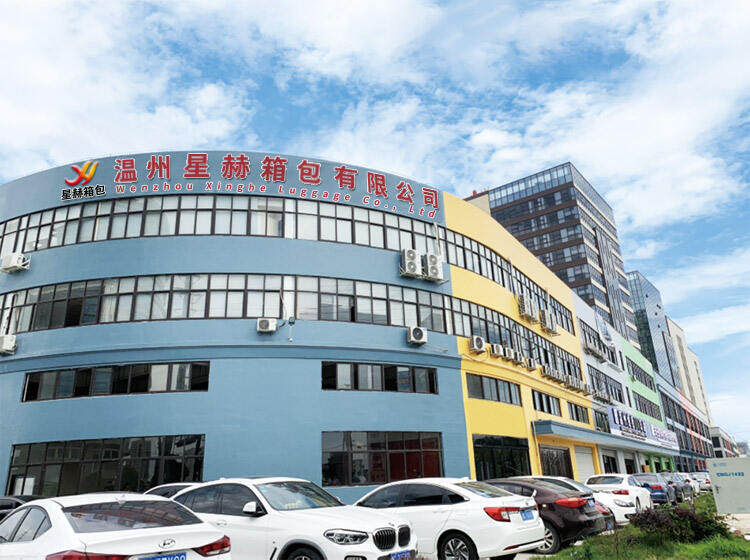
In today's competitive retail landscape, partnerships with reliable canvas bag manufacturers have become essential for brands seeking sustainable and cost-effective packaging solutions. These specialized producers offer comprehensive services that extend far beyond simple manufacturing, providing retailers and brands with strategic advantages that can significantly impact their bottom line and market positioning. From custom design capabilities to bulk production efficiency, canvas bag manufacturers serve as valuable partners in creating memorable brand experiences while meeting growing consumer demands for eco-friendly alternatives.
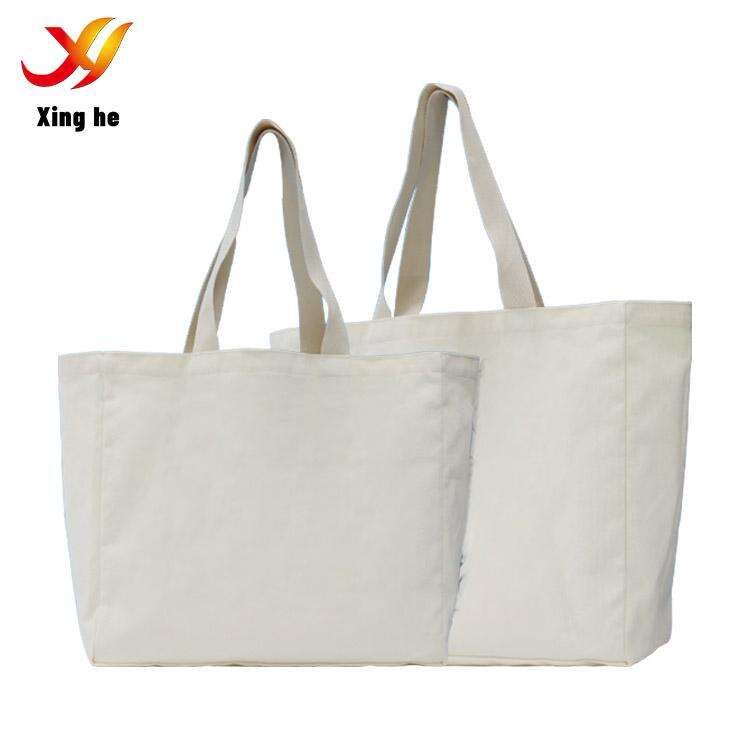
The partnership between retailers and canvas bag manufacturers has evolved dramatically over the past decade, transforming from simple transactional relationships to strategic collaborations that drive brand value and customer loyalty. Modern manufacturers understand that their role extends beyond production to encompass design consultation, market trend analysis, and supply chain optimization. This evolution has created unprecedented opportunities for brands to leverage manufacturing expertise while focusing on their core business operations.
Cost-Effectiveness and Economies of Scale
Bulk Production Benefits
Professional canvas bag manufacturers leverage economies of scale to deliver significant cost savings to their retail partners. By producing large quantities efficiently, these manufacturers can reduce per-unit costs substantially compared to smaller production runs or in-house manufacturing attempts. The specialized equipment, optimized workflows, and bulk material purchasing power that manufacturers maintain translate directly into competitive pricing for retailers who order in appropriate volumes.
The cost advantages become even more pronounced when considering the total cost of ownership. Manufacturers handle equipment maintenance, worker training, quality control systems, and regulatory compliance, eliminating these overhead expenses from retailer operations. This comprehensive approach allows brands to predict costs accurately while avoiding the capital investments required for independent production capabilities.
Reduced Operational Overhead
Partnering with established manufacturers eliminates the need for retailers to invest in production facilities, specialized machinery, or technical expertise. This reduction in operational overhead frees up capital that can be redirected toward marketing initiatives, product development, or market expansion activities that directly drive revenue growth. The financial flexibility gained through manufacturing partnerships often proves more valuable than the potential margins from in-house production.
Additionally, manufacturers assume responsibility for inventory management of raw materials, production scheduling, and workforce management. These operational complexities require specialized knowledge and systems that most retailers lack, making outsourcing not just cost-effective but operationally prudent. The risk transfer associated with production challenges, seasonal fluctuations, and supply chain disruptions provides retailers with greater business stability and predictability.
Customization and Design Expertise
Brand Identity Integration
Experienced canvas bag manufacturers possess sophisticated design capabilities that help retailers create products that perfectly align with their brand identity and marketing objectives. These manufacturers employ skilled designers who understand color psychology, brand positioning, and visual merchandising principles, enabling them to translate brand concepts into compelling physical products that resonate with target audiences.
The design process typically begins with comprehensive brand analysis, where manufacturers study existing brand elements, target demographics, and market positioning to inform design decisions. This thorough approach ensures that custom canvas bags serve as effective brand extensions rather than generic promotional items. The resulting products become powerful marketing tools that reinforce brand recognition and customer loyalty through consistent visual representation.
Technical Innovation and Material Selection
Modern manufacturers stay current with technological advances in textile production, printing techniques, and sustainable materials, providing retailers access to cutting-edge options that might otherwise be unavailable. From water-based inks and organic cotton to innovative closure systems and reinforcement techniques, manufacturers offer technical expertise that enhances product quality while supporting brand sustainability initiatives.
The material selection process involves careful consideration of intended use, durability requirements, aesthetic preferences, and budget constraints. Manufacturers guide retailers through these decisions, explaining the implications of different choices on product performance, appearance, and cost. This collaborative approach ensures that final products meet or exceed expectations while optimizing value across multiple dimensions.
Quality Assurance and Consistency
Professional Quality Control Systems
Established canvas bag manufacturers implement comprehensive quality control systems that ensure consistent product quality across large production runs. These systems typically include incoming material inspection, in-process quality checkpoints, and final product evaluation protocols that identify and correct defects before products reach retailers. The systematic approach to quality management provides retailers with confidence in product consistency and reliability.
Quality control extends beyond basic defect detection to encompass dimensional accuracy, color matching, print quality, and durability testing. Manufacturers often maintain detailed quality records that enable continuous improvement and provide documentation for regulatory compliance or customer inquiries. This level of quality assurance would be difficult and expensive for individual retailers to achieve independently.
Standardized Production Processes
Professional manufacturers utilize standardized production processes that eliminate variability and ensure repeatable results. These processes are typically documented, validated, and continuously refined to optimize efficiency and quality outcomes. The systematic approach to production enables manufacturers to maintain consistent quality standards regardless of production volume or timing variations.
Standardization also facilitates accurate delivery scheduling and inventory planning, as manufacturers can predict production times and resource requirements with high precision. This predictability enables retailers to coordinate marketing campaigns, inventory management, and sales initiatives with greater confidence, ultimately improving overall business performance and customer satisfaction.
Supply Chain Efficiency and Reliability
Streamlined Logistics Management
Professional canvas bag manufacturers maintain established relationships with material suppliers, shipping companies, and logistics providers that enable efficient supply chain management. These relationships often include preferred pricing arrangements, priority service agreements, and flexible capacity arrangements that benefit retailer partners through improved service levels and competitive costs.
The logistics expertise that manufacturers bring includes international shipping experience, customs documentation capabilities, and multi-modal transportation coordination. For retailers operating in multiple markets or sourcing internationally, this expertise proves invaluable in navigating complex regulatory requirements and optimizing shipping costs while maintaining delivery reliability.
Inventory Management Solutions
Many manufacturers offer inventory management services that help retailers optimize working capital while ensuring product availability. These services can include demand forecasting, safety stock management, and just-in-time delivery arrangements that reduce inventory carrying costs while maintaining service levels. The manufacturer's production visibility enables more accurate demand planning and inventory optimization than retailers could achieve independently.
Advanced manufacturers provide real-time visibility into production schedules, inventory levels, and shipment tracking through integrated systems that enable retailers to make informed decisions about inventory management and sales planning. This transparency reduces uncertainty and enables more efficient business operations across the entire supply chain.
Sustainability and Environmental Benefits
Eco-Friendly Manufacturing Practices
Leading canvas bag manufacturers have invested heavily in sustainable production practices that align with growing consumer environmental consciousness and corporate sustainability initiatives. These practices include energy-efficient production processes, waste reduction programs, water conservation measures, and renewable energy utilization that minimize environmental impact while maintaining production efficiency.
Manufacturers often obtain environmental certifications and participate in sustainability programs that provide third-party validation of their environmental practices. These credentials enable retailer partners to make credible sustainability claims and appeal to environmentally conscious consumers. The shared commitment to environmental responsibility creates alignment between manufacturer capabilities and retailer market positioning.
Circular Economy Integration
Progressive manufacturers are developing capabilities to support circular economy principles through product design for recyclability, material recovery programs, and end-of-life product management services. These capabilities enable retailers to offer complete sustainability solutions to their customers while differentiating their brands in competitive markets.
The integration of circular economy principles often includes design optimization for durability, repairability, and material recovery. Manufacturers work with retailers to balance aesthetic requirements with sustainability objectives, creating products that perform well throughout extended use cycles while supporting brand sustainability messaging and customer environmental values.
Market Responsiveness and Trend Adaptation
Fashion and Design Trend Monitoring
Professional manufacturers maintain awareness of fashion trends, consumer preferences, and market developments that influence canvas bag design and functionality. This market intelligence helps retailers stay current with evolving customer expectations while identifying opportunities for product innovation and differentiation.
The trend monitoring capabilities often include participation in trade shows, consumer research, and industry analysis that provides insights into emerging opportunities. Manufacturers share these insights with retailer partners, enabling collaborative product development that anticipates market demand rather than reacting to established trends. This proactive approach often results in competitive advantages and improved market performance.
Rapid Prototyping and Development
Modern canvas bag manufacturers utilize rapid prototyping capabilities that enable quick evaluation of design concepts and market testing of new products. These capabilities reduce development time and costs while providing retailers with flexibility to respond to market opportunities or customer feedback efficiently.
The rapid development process typically includes digital design tools, sample production capabilities, and iterative refinement processes that optimize product concepts before full production commitment. This approach reduces market risk while enabling retailers to test concepts with minimal investment, ultimately improving success rates for new product launches and market expansion initiatives.
FAQ
How do canvas bag manufacturers ensure consistent quality across large production runs
Canvas bag manufacturers maintain quality consistency through systematic quality control processes that include material inspection, in-process monitoring, and final product evaluation. They utilize standardized production procedures, calibrated equipment, and trained quality personnel to identify and correct variations before they affect final products. Many manufacturers also implement statistical process control methods that enable early detection of quality trends and proactive corrections.
What customization options are typically available from professional manufacturers
Professional manufacturers offer extensive customization options including custom sizes, colors, materials, printing techniques, hardware selection, and closure systems. Design services often include logo placement optimization, color matching, artwork preparation, and technical design consultation. Advanced manufacturers can accommodate special requirements such as unique materials, specialized printing effects, or custom hardware that supports specific brand requirements or functional needs.
How do manufacturers help retailers meet sustainability goals
Manufacturers support retailer sustainability goals through eco-friendly material selection, energy-efficient production processes, waste reduction programs, and end-of-life product management services. Many offer certified organic or recycled materials, water-based inks, and carbon-neutral shipping options. Progressive manufacturers also provide sustainability reporting, life-cycle analysis, and circular economy integration that enables retailers to make credible environmental claims and appeal to environmentally conscious consumers.
What are the typical minimum order quantities and lead times
Minimum order quantities vary by manufacturer and product complexity, typically ranging from 500 to 5,000 units for custom products, with lower minimums available for standard designs. Lead times generally range from 2-6 weeks depending on customization requirements, seasonal demand, and production capacity. Many manufacturers offer expedited production services for urgent orders, though these typically involve premium pricing and may have limited customization options.