
 EN
EN



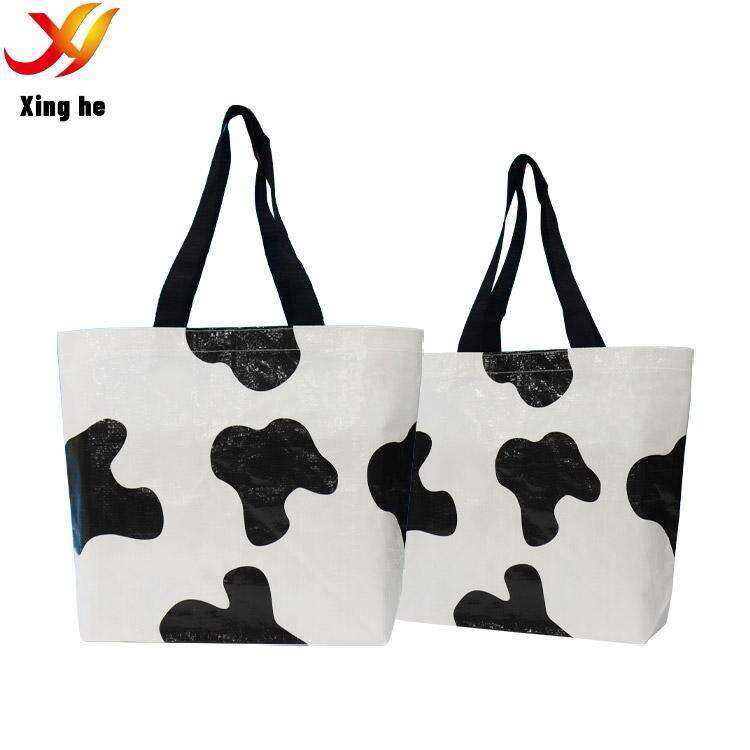
The global packaging industry has witnessed unprecedented growth in recent years, with businesses across various sectors seeking durable, cost-effective, and environmentally conscious packaging solutions. Among the most sought-after options are polypropylene woven bags, which have become the backbone of industrial packaging due to their exceptional strength, versatility, and recyclability. As market demand continues to surge, manufacturers face the challenge of scaling production while maintaining quality standards and adapting to evolving customer requirements.
The surge in demand for PP woven bags stems from their superior performance characteristics compared to traditional packaging materials. These bags offer remarkable tensile strength, moisture resistance, and the ability to withstand harsh handling conditions during transportation and storage. Industries ranging from agriculture and construction to retail and logistics have recognized the value proposition that polypropylene woven packaging provides, creating a robust market environment for specialized manufacturers.
Modern manufacturing facilities have evolved to incorporate advanced technologies and streamlined processes that enable them to meet diverse customer specifications while maintaining competitive pricing. The ability to produce custom sizes, colors, and printing designs has become a crucial differentiator in today's market, where brand identity and product differentiation play increasingly important roles in consumer purchasing decisions.
Advanced Manufacturing Technologies Driving Industry Growth
Automated Production Systems
Leading manufacturers have invested heavily in state-of-the-art automated production lines that significantly enhance both efficiency and quality control. These systems incorporate precision weaving machines capable of producing consistent fabric density and uniform bag dimensions. Computer-controlled cutting and sewing equipment ensures that every bag meets exact specifications while minimizing material waste and production time.
The integration of robotics in the manufacturing process has revolutionized how pp woven bag manufacturer facilities operate. Automated material handling systems transport raw materials and finished products throughout the production floor, reducing manual labor requirements and increasing overall throughput. Quality inspection robots equipped with advanced imaging technology can detect defects and inconsistencies that might escape human observation.
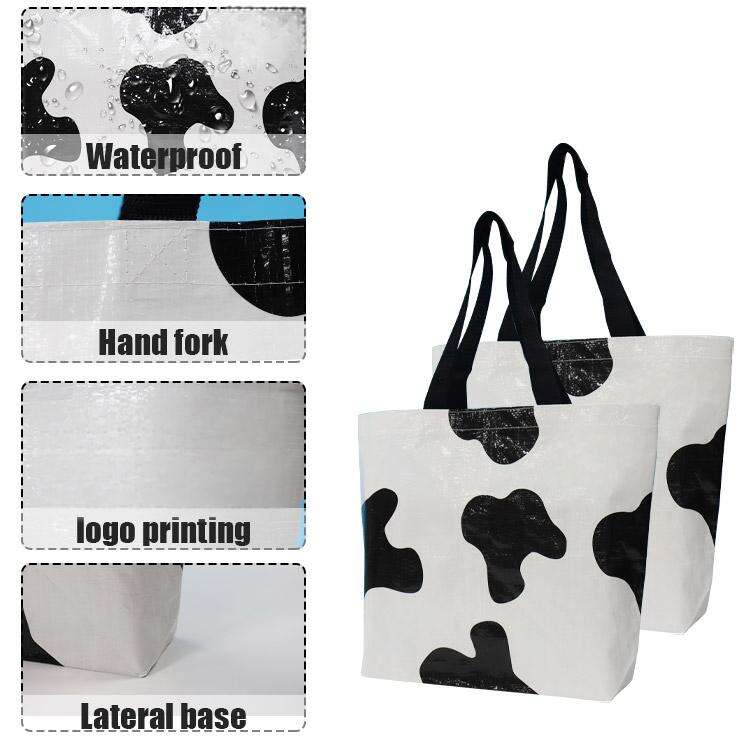
Smart manufacturing systems utilize real-time data analytics to optimize production schedules, predict maintenance requirements, and adjust operational parameters for maximum efficiency. These technologies enable manufacturers to respond quickly to changing market demands while maintaining consistent product quality across large production volumes.
Quality Control Innovations
Modern quality assurance protocols incorporate multiple testing phases throughout the manufacturing process. Raw material inspection ensures that incoming polypropylene meets specified standards for strength, purity, and consistency. During production, continuous monitoring systems track fabric weight, weave pattern integrity, and dimensional accuracy to prevent defective products from reaching the market.
Advanced testing equipment evaluates finished bags for load-bearing capacity, tear resistance, and UV stability. Environmental testing chambers simulate various storage and transportation conditions to ensure that bags maintain their structural integrity under real-world conditions. These comprehensive quality measures help manufacturers build reputation and customer confidence in their products.
Digital traceability systems record detailed information about each production batch, enabling manufacturers to quickly identify and address any quality issues that may arise. This level of documentation is particularly important for customers in regulated industries where packaging compliance and certification are mandatory requirements.
Sustainable Manufacturing Practices and Environmental Responsibility
Eco-Friendly Material Sourcing
Environmental consciousness has become a driving force in the packaging industry, prompting manufacturers to adopt sustainable practices throughout their operations. Many leading producers now source recycled polypropylene materials and implement closed-loop manufacturing systems that minimize waste generation. The use of recyclable materials not only reduces environmental impact but also appeals to environmentally aware consumers and businesses.
Sustainable sourcing initiatives include partnerships with suppliers who demonstrate commitment to environmental responsibility and ethical business practices. Manufacturers are increasingly scrutinizing their supply chains to ensure that raw materials are obtained through environmentally sound methods and that supplier facilities meet recognized sustainability standards.
Innovation in bio-based polypropylene alternatives represents an emerging trend that could significantly impact the industry's environmental footprint. Research and development efforts focus on developing plant-based polymers that maintain the performance characteristics of traditional PP while offering enhanced biodegradability and reduced carbon emissions during production.
Energy Efficiency and Waste Reduction
Modern manufacturing facilities implement comprehensive energy management systems that optimize power consumption throughout the production process. Solar panel installations, energy-efficient lighting systems, and heat recovery technologies contribute to reduced operational costs while minimizing environmental impact. Many manufacturers have achieved significant reductions in energy consumption per unit produced through systematic efficiency improvements.
Waste minimization strategies focus on maximizing material utilization and implementing recycling programs for production scraps and defective products. Advanced cutting optimization software reduces fabric waste by calculating the most efficient layout patterns for various bag sizes. Trimming and off-cuts are collected and reprocessed into new raw materials, creating a circular production model.
Water conservation measures include closed-loop cooling systems and treatment facilities that enable manufacturers to reuse process water. These initiatives not only reduce environmental impact but also lower operational costs and demonstrate corporate responsibility to stakeholders and customers who prioritize sustainability in their supplier selection processes.
Market Adaptation and Customer-Centric Solutions
Customization Capabilities
The ability to provide customized solutions has become essential for manufacturers competing in today's diverse market landscape. Advanced printing technologies enable the production of bags with complex graphics, multiple colors, and high-resolution imagery that enhance brand visibility and product appeal. Digital printing capabilities allow for short-run customization without the traditional setup costs associated with conventional printing methods.
Flexible manufacturing systems can accommodate varying bag dimensions, handle configurations, and closure mechanisms to meet specific application requirements. Whether customers need heavy-duty construction bags, food-grade storage solutions, or retail shopping bags, manufacturers must demonstrate the capability to adapt their production processes accordingly.
Rapid prototyping services enable manufacturers to work closely with customers during the design phase, creating sample products that can be tested and refined before committing to full-scale production. This collaborative approach helps ensure that final products meet performance expectations while minimizing the risk of costly modifications after production begins.
Supply Chain Optimization
Efficient supply chain management has become crucial for manufacturers seeking to meet growing demand while maintaining competitive pricing and delivery schedules. Strategic inventory management systems balance raw material availability with production capacity to minimize carrying costs while ensuring uninterrupted manufacturing operations.
Logistics partnerships with reliable transportation providers enable manufacturers to offer comprehensive delivery solutions that meet customer timing requirements. Many facilities have implemented just-in-time delivery systems that coordinate production schedules with customer needs, reducing inventory costs for both manufacturers and their clients.
Digital platforms facilitate seamless communication between manufacturers and customers, providing real-time updates on order status, production progress, and delivery scheduling. These systems enhance transparency and enable proactive problem-solving when unexpected challenges arise during the manufacturing or delivery process.
Technological Innovation and Future Developments
Smart Manufacturing Integration
The integration of Internet of Things technology throughout manufacturing facilities enables unprecedented levels of operational visibility and control. Connected sensors monitor equipment performance, environmental conditions, and production metrics in real-time, providing valuable data for continuous improvement initiatives. Predictive analytics help identify potential equipment failures before they occur, minimizing unplanned downtime and production disruptions.
Artificial intelligence algorithms analyze production data to identify optimization opportunities and recommend process improvements. Machine learning systems can detect patterns in quality variations and automatically adjust operational parameters to maintain consistent product standards. These technologies enable manufacturers to achieve higher levels of efficiency and quality than ever before possible.
Cloud-based manufacturing execution systems provide centralized control and monitoring capabilities across multiple production facilities. This technology enables manufacturers to coordinate operations, share best practices, and maintain consistent quality standards regardless of geographic location. Remote monitoring capabilities allow technical experts to provide support and troubleshooting assistance without physical presence at manufacturing sites.
Research and Development Initiatives
Ongoing research efforts focus on developing enhanced polypropylene formulations that offer improved performance characteristics while maintaining cost-effectiveness. Advanced polymer science explores additives and processing techniques that can enhance UV resistance, chemical compatibility, and mechanical properties to expand application possibilities.
Collaboration with academic institutions and research organizations accelerates the development of innovative manufacturing processes and materials. These partnerships provide access to cutting-edge research capabilities and enable manufacturers to stay at the forefront of technological developments in the packaging industry.
Investment in pilot production facilities allows manufacturers to test new technologies and processes before implementing them in full-scale operations. This approach minimizes risks while enabling rapid adoption of proven innovations that can provide competitive advantages in the marketplace.
FAQ
What factors should businesses consider when selecting a PP woven bag manufacturer?
When choosing a manufacturer, businesses should evaluate production capacity, quality certifications, customization capabilities, and delivery reliability. Consider the manufacturer's experience in your specific industry, their ability to meet volume requirements, and their commitment to quality control standards. Additionally, assess their environmental practices, technical support services, and pricing competitiveness to ensure a successful long-term partnership.
How do manufacturers ensure consistent quality across large production volumes?
Quality consistency is maintained through automated production systems, comprehensive quality control protocols, and continuous monitoring technologies. Manufacturers implement standardized operating procedures, regular equipment calibration, and multi-stage inspection processes. Advanced testing equipment evaluates products at various production stages, while digital traceability systems enable rapid identification and correction of any quality issues that may arise during manufacturing.
What sustainable practices are PP woven bag manufacturers implementing?
Leading manufacturers are adopting recycled raw materials, implementing energy-efficient production systems, and developing waste reduction programs. Many facilities utilize renewable energy sources, optimize material usage through advanced cutting technologies, and operate recycling programs for production waste. Additionally, manufacturers are exploring bio-based polymer alternatives and implementing comprehensive environmental management systems to minimize their ecological footprint.
How quickly can manufacturers adapt to changing market demands?
Modern manufacturers utilize flexible production systems and digital technologies that enable rapid response to market changes. Automated equipment can be quickly reconfigured for different product specifications, while digital printing capabilities allow for fast customization without traditional setup delays. Advanced planning systems and supply chain partnerships enable manufacturers to adjust production schedules and material procurement to meet evolving customer requirements efficiently.