
 EN
EN



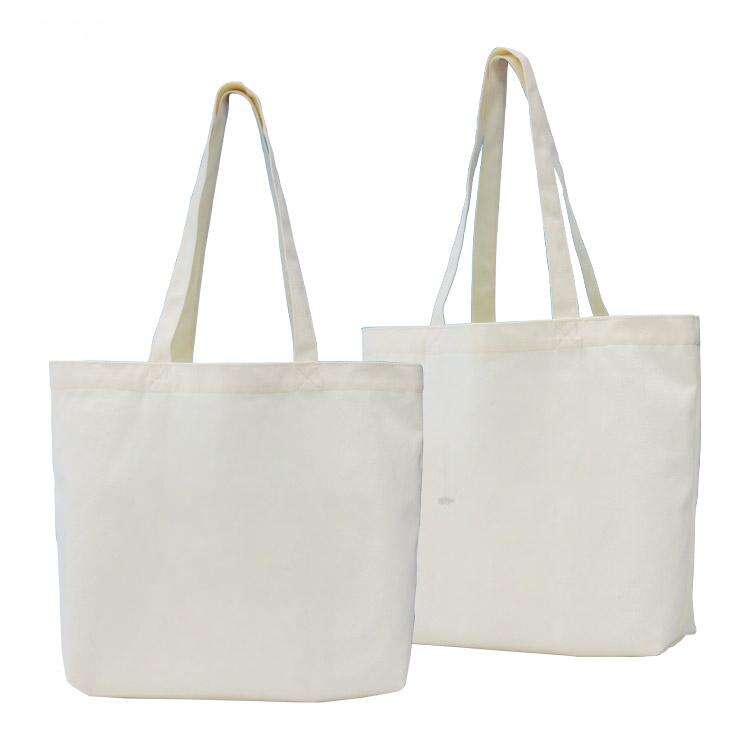
In today's environmentally conscious marketplace, businesses are increasingly recognizing the powerful impact that sustainable shopping bag solutions can have on their brand reputation and customer loyalty. Companies that embrace eco-friendly packaging alternatives not only demonstrate their commitment to environmental responsibility but also tap into a growing consumer demand for sustainable practices. The shift toward sustainable shopping bag solutions represents more than just a trend—it's become a strategic business imperative that influences purchasing decisions and builds long-term brand trust.
The Environmental Impact of Traditional Packaging
Plastic Bag Pollution Crisis
The environmental consequences of traditional plastic shopping bags have reached alarming proportions, with billions of single-use bags ending up in landfills, oceans, and natural habitats each year. These petroleum-based products take hundreds of years to decompose, releasing harmful chemicals into soil and water systems throughout their breakdown process. Marine life suffers particularly devastating effects, as plastic bags are often mistaken for food sources, leading to injury and death among sea creatures. The visual pollution created by discarded plastic bags also damages tourism and recreational industries in coastal and urban areas.
Research indicates that the average plastic shopping bag is used for just 12 minutes before disposal, yet its environmental impact persists for centuries. This stark contrast between utility and environmental cost has sparked global movements toward sustainable shopping bag solutions that address both consumer needs and ecological preservation. Forward-thinking businesses are recognizing that their packaging choices directly contribute to either environmental degradation or conservation efforts.
Resource Depletion Concerns
The production of conventional plastic bags requires significant amounts of fossil fuels, contributing to resource depletion and greenhouse gas emissions. Manufacturing processes for traditional bags consume approximately 40 percent less energy than paper bag production, but the long-term environmental costs far outweigh these initial savings. The extraction and processing of petroleum for plastic production disrupts ecosystems and contributes to climate change through carbon emissions.
Sustainable shopping bag solutions address these resource concerns by utilizing renewable materials and implementing circular economy principles. Brands that adopt eco-friendly alternatives demonstrate environmental stewardship while reducing their dependence on finite fossil fuel resources. This proactive approach positions companies as leaders in sustainable business practices and appeals to environmentally conscious consumers who prioritize responsible resource management.
Consumer Behavior and Environmental Awareness
Growing Demand for Eco-Friendly Options
Modern consumers are increasingly making purchasing decisions based on environmental considerations, with studies showing that over 70 percent of shoppers prefer brands that demonstrate genuine commitment to sustainability. This shift in consumer behavior has created significant market opportunities for businesses that offer sustainable shopping bag solutions as part of their customer experience. Millennials and Generation Z consumers particularly value environmental responsibility, often willing to pay premium prices for products and services from companies that align with their environmental values.
The rise of social media has amplified consumer awareness of environmental issues, making brand sustainability practices more visible and influential in purchase decisions. Companies that fail to adapt to these changing preferences risk losing market share to competitors who embrace sustainable shopping bag solutions and other eco-friendly initiatives. This consumer-driven demand for sustainability has transformed environmental responsibility from a nice-to-have feature into a business necessity for long-term success.
Social Media and Brand Perception
Social media platforms have become powerful channels for consumers to share their experiences with brands, including their appreciation for sustainable business practices. Images of customers using attractive, reusable shopping bags often generate positive social media engagement and serve as organic marketing for environmentally responsible brands. These authentic customer endorsements carry significant weight in influencing other consumers' perceptions and purchasing decisions.
Conversely, brands that continue using environmentally harmful packaging face increased scrutiny and potential backlash from socially conscious consumers who document and share negative environmental practices online. Sustainable shopping bag solutions provide companies with positive storytelling opportunities that resonate across social media platforms and contribute to enhanced brand reputation. The visual appeal and practical utility of well-designed eco-friendly bags create natural opportunities for user-generated content that promotes brand values.
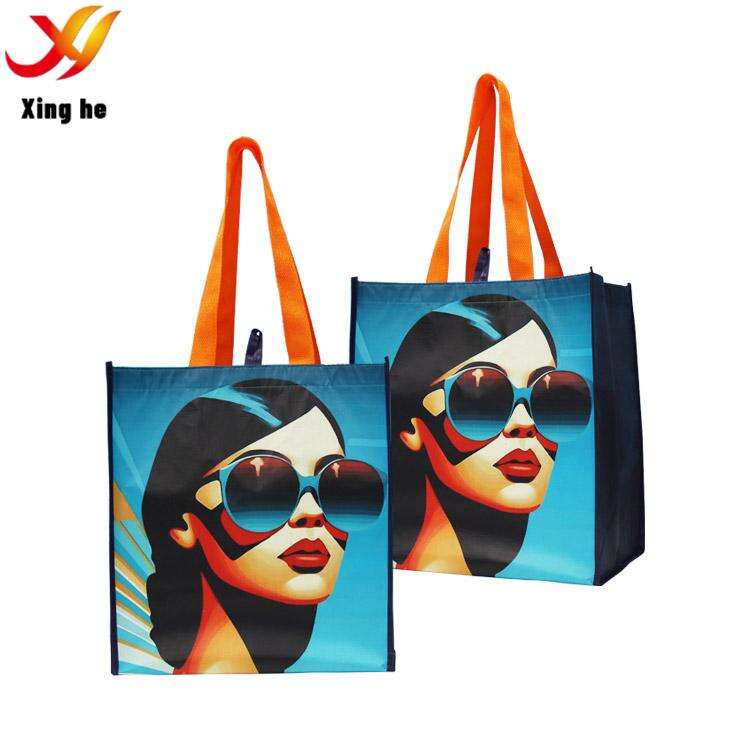
Business Benefits of Sustainable Packaging
Cost Savings and Efficiency
While the initial investment in sustainable shopping bag solutions may be higher than traditional alternatives, businesses often realize significant long-term cost savings through reduced packaging waste, improved operational efficiency, and decreased regulatory compliance costs. Reusable bag programs can eliminate the ongoing expense of providing single-use bags, while bulk purchasing of durable alternatives often results in lower per-unit costs over time. Additionally, companies may qualify for tax incentives and green business certifications that provide financial benefits.
The operational efficiency gains from sustainable shopping bag solutions extend beyond direct cost savings to include improved inventory management, reduced storage requirements, and streamlined supply chain processes. Businesses that implement comprehensive sustainability programs often discover additional opportunities for waste reduction and resource optimization throughout their operations. These efficiency improvements contribute to enhanced profitability while supporting environmental goals.
Regulatory Compliance and Future-Proofing
Governments worldwide are implementing increasingly stringent regulations on single-use plastics, creating compliance requirements that affect businesses across all industries. Companies that proactively adopt sustainable shopping bag solutions position themselves ahead of regulatory changes and avoid potential penalties or operational disruptions. Early adoption of eco-friendly alternatives demonstrates regulatory compliance leadership and reduces the risk of costly last-minute adaptations to new environmental regulations.
Future-proofing business operations through sustainable practices helps companies maintain competitive advantages as environmental regulations continue evolving. Sustainable shopping bag solutions provide a foundation for broader sustainability initiatives that prepare businesses for increasingly environmentally conscious markets. This strategic approach to compliance ensures operational continuity while building reputation capital with regulators, customers, and stakeholders.
Implementation Strategies for Sustainable Bag Programs
Material Selection and Design Considerations
Selecting appropriate materials for sustainable shopping bag solutions requires careful consideration of durability, environmental impact, cost factors, and brand aesthetic requirements. Popular eco-friendly materials include organic cotton, recycled polyester, jute, hemp, and innovative plant-based alternatives that offer varying benefits in terms of sustainability and functionality. The choice of material significantly influences the bag's lifecycle impact, user experience, and alignment with brand values.
Design elements such as size, handle configuration, closure mechanisms, and branding opportunities should align with both customer needs and sustainability goals. Well-designed sustainable shopping bag solutions enhance user experience while promoting repeat use and positive brand associations. Thoughtful design choices can transform functional bags into desirable accessories that customers proudly carry, extending brand visibility and reinforcing environmental values.
Customer Education and Engagement
Successful implementation of sustainable shopping bag solutions requires comprehensive customer education programs that highlight environmental benefits and proper care instructions. Clear communication about the environmental impact reduction achieved through bag reuse helps customers understand their positive contribution to sustainability efforts. Educational materials should emphasize the durability and versatility of eco-friendly alternatives while providing practical tips for maintenance and storage.
Engagement strategies such as loyalty programs, incentives for bag reuse, and sustainability challenges can increase customer participation in sustainable shopping bag solutions initiatives. Gamification elements and social sharing opportunities encourage customers to become advocates for environmental responsibility while strengthening their connection to the brand. These engagement approaches transform sustainability from a corporate initiative into a collaborative effort between businesses and customers.
Measuring Success and Brand Impact
Key Performance Indicators
Measuring the success of sustainable shopping bag solutions requires establishing comprehensive key performance indicators that capture both environmental and business impacts. Metrics should include bag usage rates, customer satisfaction scores, environmental impact reduction, brand perception improvements, and return on investment calculations. Regular tracking of these indicators provides valuable insights for program optimization and demonstrates measurable progress toward sustainability goals.
Quantitative metrics such as plastic bag reduction percentages, customer retention rates, and social media engagement levels provide concrete evidence of program effectiveness. Qualitative feedback through customer surveys, focus groups, and online reviews offers deeper insights into brand perception improvements and customer satisfaction with sustainable shopping bag solutions. This comprehensive measurement approach enables data-driven decision making for program enhancements and expansion.
Long-Term Brand Value Creation
The implementation of sustainable shopping bag solutions contributes to long-term brand value creation through enhanced reputation, customer loyalty, and market differentiation. Companies that consistently demonstrate environmental responsibility build trust capital that translates into sustained competitive advantages and premium pricing opportunities. This brand value creation extends beyond immediate customer relationships to influence investor confidence, employee satisfaction, and partnership opportunities.
Sustainable practices become integral components of brand identity, creating authentic storytelling opportunities that resonate with environmentally conscious consumers. The cumulative effect of sustainable shopping bag solutions and related initiatives positions brands as industry leaders in environmental responsibility, attracting customers who prioritize sustainability in their purchasing decisions. This long-term value creation approach ensures that sustainability investments contribute to sustained business growth and market leadership.
FAQ
What materials are best for sustainable shopping bag solutions
The best materials for sustainable shopping bag solutions depend on specific use cases and environmental priorities. Organic cotton offers excellent durability and biodegradability but requires significant water for production. Recycled polyester provides strength and water resistance while utilizing post-consumer waste. Jute and hemp are rapidly renewable options with lower environmental impact, while innovative materials like mushroom leather and recycled ocean plastic offer cutting-edge sustainability benefits.
How do sustainable shopping bags improve customer loyalty
Sustainable shopping bag solutions improve customer loyalty by aligning business practices with customer values, creating positive emotional connections between brands and environmentally conscious consumers. Customers appreciate companies that demonstrate genuine commitment to environmental responsibility, leading to increased trust, repeat purchases, and brand advocacy. High-quality reusable bags also provide ongoing brand exposure and utility that reinforces positive brand associations.
What are the cost considerations for implementing sustainable bag programs
Cost considerations for sustainable shopping bag solutions include higher upfront investment compared to single-use alternatives, but long-term savings through eliminated ongoing bag purchases often offset initial costs. Additional factors include design and branding expenses, customer education program costs, and potential inventory management changes. Many businesses find that premium pricing opportunities and increased customer loyalty justify the investment in sustainable alternatives.
How can businesses measure the environmental impact of their bag programs
Businesses can measure environmental impact through lifecycle assessments that compare sustainable shopping bag solutions to previous packaging methods. Key metrics include plastic waste reduction, carbon footprint changes, water usage impact, and resource consumption analysis. Third-party environmental consulting firms can provide comprehensive impact assessments, while internal tracking of bag distribution and usage patterns offers practical measurement approaches for program effectiveness evaluation.