
 EN
EN



Cosmetic bag manufacturers face an evolving challenge in today's beauty-conscious market: creating products that seamlessly blend aesthetic appeal with practical functionality. The modern consumer expects more than just a simple storage solution—they demand cosmetic bags that reflect their personal style while efficiently organizing their beauty essentials. This dual requirement has transformed the manufacturing landscape, pushing cosmetic bag manufacturers to innovate their design processes, material selection, and production techniques to meet these sophisticated expectations.
The success of cosmetic bag manufacturers depends on their ability to understand consumer behavior, anticipate market trends, and implement manufacturing strategies that deliver both form and function. Industry leaders recognize that achieving this balance requires a comprehensive approach encompassing design innovation, material engineering, quality control, and market responsiveness. By mastering these elements, manufacturers can create products that not only meet immediate consumer needs but also build lasting brand loyalty in an increasingly competitive marketplace.
Understanding Consumer Expectations in Cosmetic Bag Design
Analyzing Style Preferences and Aesthetic Trends
Successful cosmetic bag manufacturers invest significant resources in understanding the aesthetic preferences that drive consumer purchasing decisions. Contemporary style trends emphasize clean lines, sophisticated color palettes, and versatile designs that complement various personal styles and occasions. Manufacturers must stay current with fashion movements, seasonal color trends, and emerging aesthetic preferences to create products that resonate with target demographics.
The influence of social media and beauty influencers has dramatically shaped consumer expectations for cosmetic bag aesthetics. Cosmetic bag manufacturers now prioritize creating photogenic products that perform well in social media contexts, incorporating elements like metallic accents, textured surfaces, and unique silhouettes that photograph attractively. This visual appeal factor has become integral to product development strategies.
Market research reveals that consumers increasingly seek cosmetic bags that reflect their personal brand and lifestyle choices. Cosmetic bag manufacturers respond by offering diverse style options, from minimalist designs appealing to professional users to bold, colorful patterns targeting younger demographics. This segmentation approach allows manufacturers to address multiple market segments while maintaining design coherence within each product line.
Identifying Functional Requirements and Usage Patterns
Understanding how consumers actually use cosmetic bags is crucial for cosmetic bag manufacturers developing functional products. Research indicates that modern users require compartmentalization for various product types, easy accessibility for frequently used items, and protection for delicate or liquid cosmetics. These insights drive design decisions regarding internal organization, closure systems, and material selection.
Travel considerations have become increasingly important in functional design requirements. Cosmetic bag manufacturers must consider regulations regarding liquid containers, space constraints in luggage, and durability requirements for frequent handling. Products designed with travel functionality often incorporate features like leak-proof linings, secure closure systems, and compact profiles that maximize storage efficiency.
The multi-use trend has influenced how cosmetic bag manufacturers approach functionality. Consumers increasingly prefer products that serve multiple purposes, such as cosmetic bags that double as clutch purses or organizers that work for both beauty products and tech accessories. This versatility requirement challenges manufacturers to create designs that excel in multiple usage scenarios without compromising primary functionality.
Material Innovation and Quality Engineering
Selecting Premium Materials for Durability and Appeal
Material selection represents a critical decision point for cosmetic bag manufacturers balancing style and functionality. High-quality materials not only enhance product durability but also contribute significantly to aesthetic appeal and perceived value. Leading cosmetic bag manufacturers carefully evaluate material properties including texture, color retention, cleaning requirements, and long-term performance under typical usage conditions.
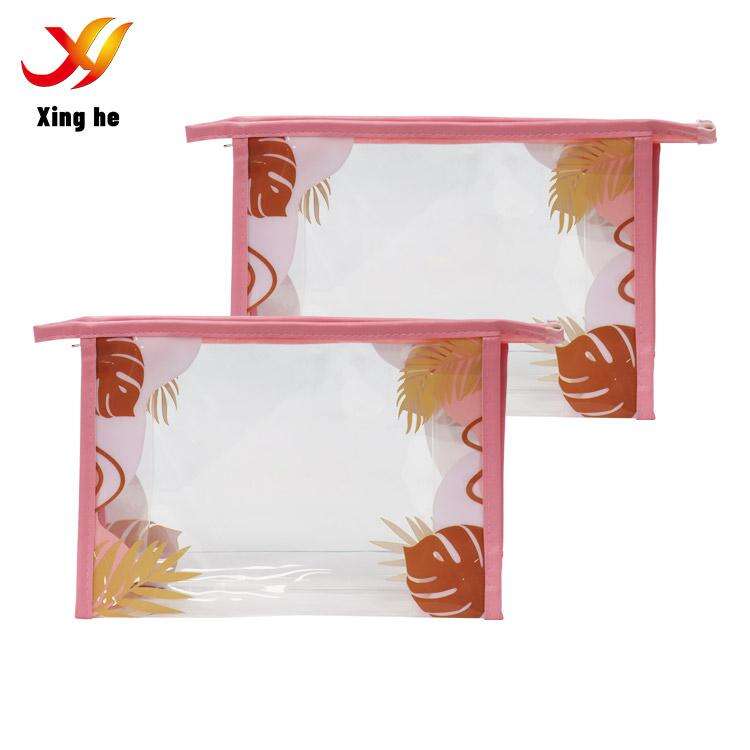
Waterproof and water-resistant materials have become standard requirements for cosmetic bag manufacturers addressing consumer concerns about liquid spills and humidity exposure. Advanced synthetic materials offer excellent protection while maintaining flexibility and visual appeal. These materials often incorporate special coatings or treatments that enhance both functional performance and aesthetic qualities.
Sustainable material choices increasingly influence consumer preferences, prompting cosmetic bag manufacturers to explore eco-friendly alternatives without compromising quality or style. Recycled fabrics, organic cotton, and innovative bio-based synthetics offer environmentally conscious consumers attractive options while meeting performance standards. This sustainability focus often becomes a key differentiating factor in competitive markets.
Implementing Advanced Manufacturing Techniques
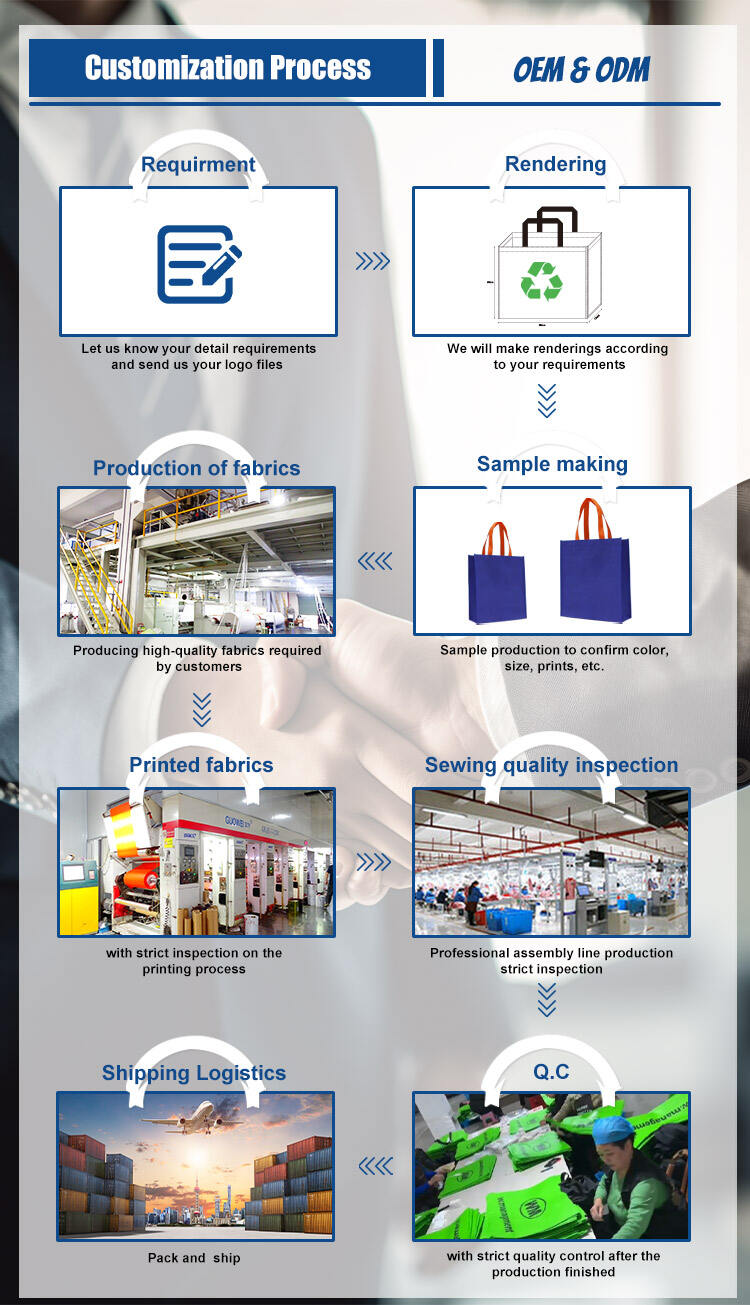
Modern cosmetic bag manufacturers utilize sophisticated production techniques to achieve precise construction standards that support both style and functionality. Computer-controlled cutting systems ensure consistent pattern accuracy, while advanced sewing technologies enable complex seaming patterns that enhance both structural integrity and visual appeal. These technical capabilities allow manufacturers to execute intricate designs reliably at scale.
Quality control systems implemented by leading cosmetic bag manufacturers incorporate multiple inspection points throughout the production process. These systems verify dimensional accuracy, seam strength, closure functionality, and aesthetic consistency. Rigorous testing protocols ensure that finished products meet predetermined standards for both visual appeal and functional performance before reaching consumers.
Customization capabilities have become increasingly important for cosmetic bag manufacturers serving diverse market segments. Advanced manufacturing systems enable efficient production of varied designs, colors, and feature combinations without compromising quality standards. This flexibility allows manufacturers to respond quickly to changing market preferences while maintaining consistent production efficiency.
Design Integration Strategies for Style and Function
Creating Cohesive Visual and Functional Elements
Successful cosmetic bag manufacturers understand that true design excellence emerges when visual elements serve functional purposes and vice versa. Color choices, for example, should complement interior organization systems while appealing to target demographics. Texture selections must enhance grip and handling while contributing to overall aesthetic appeal. This integration approach ensures that every design element contributes to both style and functionality objectives.
Hardware selection represents another area where cosmetic bag manufacturers can achieve style-function integration. Zippers, clasps, and handles must perform reliably under regular use while complementing the overall design aesthetic. Premium hardware not only enhances functionality but also elevates perceived quality and visual appeal. Manufacturers often invest in custom hardware solutions that align perfectly with their design vision.
Interior design considerations are equally important for cosmetic bag manufacturers seeking comprehensive integration. Lining materials, pocket configurations, and organizational systems must work harmoniously with exterior aesthetics while providing optimal functionality. Thoughtful interior design enhances user experience while supporting the overall style concept of each product.
Balancing Aesthetic Appeal with Practical Performance
The challenge for cosmetic bag manufacturers lies in maintaining aesthetic integrity while incorporating essential functional features. This balance requires careful consideration of how functional elements can enhance rather than detract from visual appeal. For instance, organizational pockets can be designed as attractive design elements rather than purely utilitarian additions.
Size optimization presents another balancing challenge for cosmetic bag manufacturers. Products must be compact enough for practical portability while providing sufficient capacity for typical cosmetic collections. This requires sophisticated understanding of user needs and innovative space utilization techniques that maximize interior volume without compromising exterior proportions.
Maintenance requirements significantly impact the style-function balance for cosmetic bag manufacturers. Materials and construction techniques must facilitate easy cleaning and maintenance while preserving aesthetic appeal over time. This consideration influences every aspect of product development, from material selection to structural design decisions.
Market Positioning and Consumer Communication
Developing Clear Value Propositions
Effective cosmetic bag manufacturers articulate clear value propositions that highlight both stylistic and functional benefits of their products. These communications must resonate with target consumers by addressing specific needs and preferences while differentiating products from competitive alternatives. Successful value propositions often focus on unique combinations of features that competitors cannot easily replicate.
Brand storytelling has become crucial for cosmetic bag manufacturers seeking to connect emotionally with consumers while highlighting practical benefits. Stories that demonstrate how products enhance users' daily routines or support their lifestyle goals create stronger consumer connections than purely feature-focused communications. These narratives help consumers understand the real-world value of integrated style and functionality.
Educational content strategies employed by leading cosmetic bag manufacturers help consumers understand and appreciate the design decisions that enable superior style-function integration. By explaining material benefits, construction techniques, and design rationale, manufacturers build consumer appreciation for quality while justifying premium pricing positions.
Building Brand Loyalty Through Consistent Quality
Consistent delivery of both stylish and functional products builds trust and loyalty among consumers, creating competitive advantages for cosmetic bag manufacturers. This consistency requires robust quality systems, reliable supplier relationships, and continuous improvement processes that maintain standards across all product lines and production volumes.
Customer feedback integration enables cosmetic bag manufacturers to continuously refine their approach to balancing style and functionality. Regular collection and analysis of user experiences provide insights into real-world performance and satisfaction levels. This information guides product improvements and new product development directions.
Long-term customer relationships developed by successful cosmetic bag manufacturers often result in valuable insights about evolving needs and preferences. These relationships enable manufacturers to anticipate market trends and develop products that meet emerging requirements before competitors recognize these opportunities.
FAQ
What materials work best for combining style and functionality in cosmetic bags?
The most effective materials for cosmetic bag manufacturers include high-quality synthetic leathers, waterproof fabrics, and treated textiles that offer durability, easy cleaning, and aesthetic appeal. Premium materials like coated canvas, water-resistant nylon, and soft-touch synthetics provide excellent performance while maintaining sophisticated appearance. These materials can be selected in various colors and textures to support different style preferences while ensuring functional reliability.
How do cosmetic bag manufacturers ensure products appeal to different age groups?
Successful cosmetic bag manufacturers conduct demographic research to understand style preferences across age segments and develop product lines that address specific needs. Younger consumers often prefer bold colors and social media-friendly designs, while mature consumers typically favor classic styles and premium materials. Manufacturers create diverse product portfolios that serve multiple segments while maintaining consistent quality and functional standards across all offerings.
What role does customization play in modern cosmetic bag manufacturing?
Customization has become increasingly important for cosmetic bag manufacturers serving diverse markets and individual preferences. Modern manufacturing capabilities enable efficient production of varied colors, sizes, and feature combinations without compromising quality. This flexibility allows manufacturers to respond to specific market demands, seasonal trends, and customer requests while maintaining production efficiency and cost effectiveness.
How can cosmetic bag manufacturers stay current with changing consumer preferences?
Leading cosmetic bag manufacturers maintain current market awareness through continuous consumer research, social media monitoring, trade show participation, and fashion trend analysis. Regular customer feedback collection and competitor analysis provide insights into evolving preferences and emerging opportunities. This information guides product development decisions and helps manufacturers anticipate rather than merely respond to market changes.
Table of Contents
- Understanding Consumer Expectations in Cosmetic Bag Design
- Material Innovation and Quality Engineering
- Design Integration Strategies for Style and Function
- Market Positioning and Consumer Communication
-
FAQ
- What materials work best for combining style and functionality in cosmetic bags?
- How do cosmetic bag manufacturers ensure products appeal to different age groups?
- What role does customization play in modern cosmetic bag manufacturing?
- How can cosmetic bag manufacturers stay current with changing consumer preferences?