
 EN
EN




Businesses across industries are increasingly seeking cost-effective packaging and promotional solutions that balance budget constraints with environmental responsibility. A strategic partnership with an experienced non woven bag supplier can unlock significant cost savings while delivering high-quality products that meet diverse business needs. Understanding how to leverage supplier expertise, manufacturing capabilities, and customization options becomes crucial for achieving optimal return on investment.
The right non woven bag supplier brings more than just manufacturing capacity to your business relationship. They offer strategic value through material expertise, production optimization, design consultation, and supply chain efficiency. By understanding the full scope of services and cost advantages available through professional suppliers, businesses can make informed decisions that deliver measurable financial benefits while supporting sustainability goals and brand positioning objectives.
Manufacturing Efficiency and Scale Advantages
Production Volume Benefits
A professional non woven bag supplier achieves cost-effectiveness through substantial production volumes that individual businesses cannot match independently. Large-scale manufacturing operations allow suppliers to negotiate better raw material prices, optimize equipment utilization, and spread fixed costs across extensive production runs. This economies of scale advantage translates directly into lower per-unit costs for clients, particularly when ordering quantities that align with supplier production minimums.
The production efficiency extends beyond simple volume discounts. Experienced suppliers maintain consistent production schedules, reduce setup times between orders, and minimize material waste through optimized cutting patterns and process refinement. These operational efficiencies contribute to cost savings that suppliers can pass along to clients while maintaining healthy profit margins and reinvestment capabilities.
Equipment and Technology Optimization
Modern non woven bag suppliers invest in advanced manufacturing equipment that delivers superior efficiency compared to smaller or less specialized operations. Automated cutting systems, high-speed sewing machines, and computerized pattern optimization reduce labor costs while improving product consistency and quality. The technology investment required for competitive manufacturing often exceeds what individual businesses can justify for internal production capabilities.
Suppliers also maintain multiple production lines that can accommodate different bag styles, sizes, and customization requirements simultaneously. This flexibility allows for efficient batching of orders with similar specifications, reducing changeover time and maximizing equipment productivity. The resulting cost efficiency benefits all clients through more competitive pricing structures and faster delivery capabilities.
Material Sourcing and Supply Chain Optimization
Raw Material Cost Advantages
Established suppliers maintain strategic relationships with material manufacturers and distributors that enable preferential pricing on non woven fabrics, threads, hardware, and other components. These relationships often include volume commitments, long-term contracts, and early payment terms that reduce material costs significantly below what individual buyers could achieve. The supplier's purchasing power translates into direct savings for clients without requiring large inventory investments or supply chain management overhead.
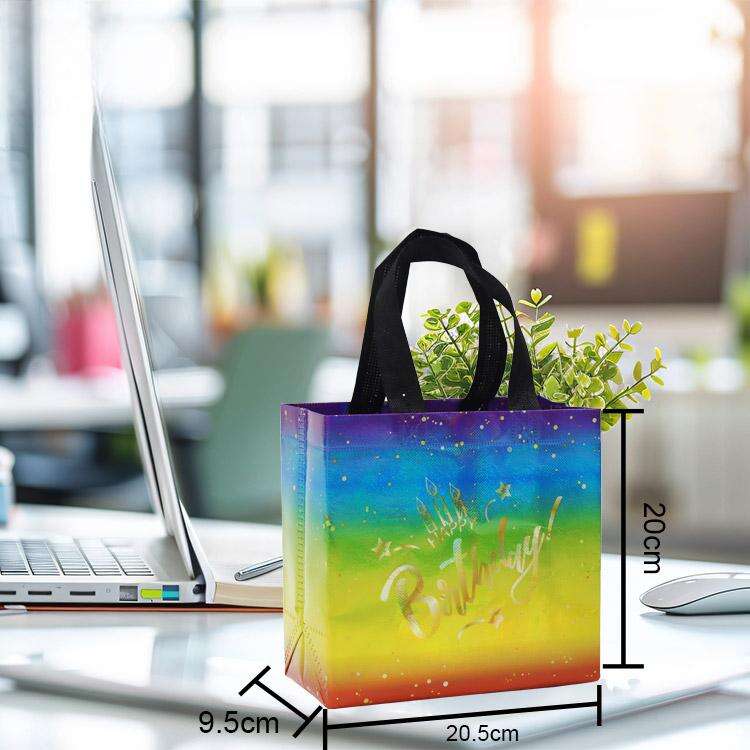
Quality material sourcing involves more than just price negotiation. Experienced suppliers evaluate fabric specifications, durability characteristics, and environmental certifications to ensure materials meet performance requirements while maintaining cost-effectiveness. This expertise prevents costly material selection mistakes that could lead to product failures, customer dissatisfaction, or regulatory compliance issues.
Inventory Management and Logistics
A reliable non woven bag supplier manages material inventory levels to balance availability with carrying costs, reducing the financial burden on clients who might otherwise need to maintain substantial raw material stocks. Suppliers coordinate delivery schedules with production planning to minimize storage requirements while ensuring consistent material availability for scheduled manufacturing runs.
The logistics optimization extends to finished product distribution, where suppliers can consolidate shipments, optimize packaging density, and coordinate delivery timing to reduce transportation costs. These supply chain efficiencies contribute to overall cost-effectiveness while improving delivery reliability and reducing administrative complexity for client businesses.
Design and Customization Value Engineering
Cost-Optimized Design Development
Professional suppliers bring design expertise that balances aesthetic requirements with manufacturing efficiency and material optimization. Their experience with different bag configurations, handle options, and decorative techniques allows them to recommend design modifications that maintain visual appeal while reducing production complexity and material usage. This value engineering approach can achieve significant cost savings without compromising product quality or brand presentation.
The design optimization process considers printing requirements, assembly methods, and material utilization to identify opportunities for cost reduction. Suppliers can suggest alternative construction techniques, recommend efficient printing methods, or propose design simplifications that lower production costs while preserving essential functional and aesthetic characteristics.
Customization Efficiency
Experienced suppliers have developed efficient processes for handling custom printing, embroidery, and special features that minimize setup costs and production time. Their established workflows for artwork preparation, color matching, and quality control reduce the administrative burden on clients while ensuring consistent customization results. This process efficiency makes custom features more accessible and cost-effective for smaller order quantities.
The customization capabilities extend to packaging and labeling options that can enhance product presentation without requiring separate vendor relationships. Integrated customization services reduce coordination complexity and often provide better pricing than managing multiple specialized vendors independently.
Quality Assurance and Risk Management
Production Quality Standards
Established non woven bag suppliers maintain comprehensive quality control systems that prevent costly production defects and ensure consistent product standards. These quality assurance processes reduce the risk of receiving substandard products that could damage brand reputation or require expensive replacements. The supplier's investment in quality control infrastructure and trained personnel provides cost-effective risk mitigation that individual buyers cannot easily replicate.
Quality standards encompass material inspection, production monitoring, and finished product testing to identify potential issues before shipment. This proactive approach prevents quality problems that could result in customer returns, warranty claims, or regulatory compliance issues. The cost of prevention through professional quality control is typically much lower than the expense of addressing quality problems after delivery.
Compliance and Certification Management
Professional suppliers maintain current certifications and compliance documentation for environmental standards, safety regulations, and industry-specific requirements. This compliance infrastructure reduces the administrative burden on clients while ensuring products meet necessary regulatory standards. The supplier's expertise in navigating certification requirements and maintaining documentation provides valuable risk management at no additional cost to clients.
Certification management includes staying current with evolving regulations, maintaining audit documentation, and ensuring production processes meet required standards. This ongoing compliance management represents a significant cost savings compared to developing internal expertise or engaging compliance consultants for each order or regulatory change.
Long-Term Partnership Benefits
Relationship Development Advantages
Building a long-term relationship with a non woven bag supplier creates opportunities for preferential pricing, priority scheduling, and enhanced service levels that deliver ongoing cost benefits. Suppliers value consistent customers and often provide improved terms, flexible payment options, and expedited service for established clients. These relationship benefits compound over time, creating increasing value that extends beyond initial cost savings.
Long-term partnerships also enable suppliers to better understand client needs, preferences, and business cycles, allowing for proactive planning and optimization. This deeper understanding leads to more efficient order processing, better inventory planning, and improved service delivery that reduces administrative costs and enhances operational efficiency.
Innovation and Development Support
Established suppliers often share new material developments, production techniques, and design innovations with valued clients, providing access to cost-saving opportunities and competitive advantages. This innovation sharing can include early access to new materials, beta testing of improved production methods, or collaborative development of specialized solutions that meet unique requirements while maintaining cost-effectiveness.
The development support extends to market trend insights, regulatory updates, and industry best practices that help clients make informed decisions about product specifications, ordering timing, and strategic planning. This consultative value adds significant benefit to the supplier relationship beyond direct manufacturing services.
FAQ
What minimum order quantities do most non woven bag suppliers require for cost-effective pricing?
Most professional non woven bag suppliers establish minimum order quantities between 500 to 1,000 pieces for standard designs to achieve cost-effective pricing structures. Custom designs or specialized materials may require higher minimums, typically ranging from 1,000 to 5,000 pieces. These quantities allow suppliers to optimize production setup costs, material utilization, and manufacturing efficiency while providing competitive per-unit pricing to clients.
How much cost savings can businesses typically expect when working with an established supplier versus attempting internal production?
Businesses typically achieve 30-50% cost savings by partnering with an experienced non woven bag supplier compared to internal production attempts. The savings come from economies of scale, material purchasing power, equipment efficiency, and eliminated overhead costs for specialized manufacturing capabilities. Additional savings result from reduced administrative complexity, quality risk mitigation, and access to design optimization expertise that internal operations cannot easily replicate.
What factors should businesses consider when evaluating the cost-effectiveness of different non woven bag suppliers?
Key evaluation factors include total cost of ownership beyond unit pricing, which encompasses quality consistency, delivery reliability, customization capabilities, and service responsiveness. Businesses should assess supplier financial stability, production capacity, geographic proximity for shipping efficiency, and ability to scale with growing demand. The supplier's compliance certifications, quality control systems, and long-term partnership approach also significantly impact overall cost-effectiveness and risk management.
How can businesses optimize their orders to maximize cost savings with non woven bag suppliers?
Businesses can optimize cost savings by consolidating orders to meet volume thresholds, planning ahead to avoid rush charges, and working with suppliers during design development to identify cost-reduction opportunities. Standardizing bag specifications across multiple applications, coordinating delivery timing to reduce shipping costs, and maintaining consistent order patterns help suppliers provide better pricing and service levels. Collaborating on material selection and design simplification can also yield significant cost benefits without compromising functionality.
Table of Contents
- Manufacturing Efficiency and Scale Advantages
- Material Sourcing and Supply Chain Optimization
- Design and Customization Value Engineering
- Quality Assurance and Risk Management
- Long-Term Partnership Benefits
-
FAQ
- What minimum order quantities do most non woven bag suppliers require for cost-effective pricing?
- How much cost savings can businesses typically expect when working with an established supplier versus attempting internal production?
- What factors should businesses consider when evaluating the cost-effectiveness of different non woven bag suppliers?
- How can businesses optimize their orders to maximize cost savings with non woven bag suppliers?